
Trauma-Focused Therapy in Utah County
Trauma can reshape the way you see yourself, other people, and the world — often in ways that feel permanent. But trauma is not a life sentence. At Willow Therapy, our trauma-focused therapists use evidence-based approaches like EMDR, Prolonged Exposure, and Cognitive Processing Therapy to help you move from surviving to genuinely thriving.
What Is Trauma-Focused Therapy?
Trauma-focused therapy is not a single technique — it is a broad, integrative framework that brings together the most effective, evidence-based approaches to treating the psychological effects of traumatic experiences. What unites all trauma-focused therapy is a shared commitment: to understand how trauma has shaped a person's thoughts, feelings, behaviors, and relationships, and to actively address those effects rather than working around them.
Unlike general supportive counseling, trauma-focused therapy is specifically designed to engage with traumatic material directly and purposefully. Research consistently shows that trauma-focused approaches produce significantly better outcomes for PTSD and trauma-related conditions than non-trauma-focused support alone.
Effective trauma therapy works at the neurological, emotional, cognitive, and relational levels. The National Center for PTSD and the American Psychological Association both name trauma-focused, evidence-based treatment as the standard of care for PTSD and trauma-related conditions.

Understanding Trauma: More Than Just a Single Event
The defining feature of a traumatic experience is not the event itself, but how it is experienced and processed by the individual. Events that are overwhelming, threatening, humiliating, or that rupture a person's sense of safety or trust can all be traumatic — regardless of whether they would appear "dramatic" to an outside observer.
Single-Incident ("Big T") Trauma
Discrete, identifiable events such as accidents, assaults, natural disasters, or witnessing violence — often the first thing people think of when they hear the word "trauma."
Complex ("Small T") Trauma
Repeated, chronic, or relational trauma — childhood neglect, emotional abuse, domestic violence, or growing up in an unpredictable environment. Often has more pervasive effects on identity and attachment.
Both Deserve Treatment
Our trauma therapists are experienced with the full spectrum of traumatic experience and tailor their approach to each individual's history — there's no threshold you need to meet first.
Evidence-Based Approaches We Use
Your therapist will collaboratively determine which of these approaches are the best fit for your specific trauma history, symptoms, and goals.
EMDR Therapy
Bilateral stimulation helps the brain reprocess traumatic memories, reducing their emotional charge without requiring detailed verbal retelling. Learn more →
Prolonged Exposure (PE)
A structured CBT approach that helps clients gradually confront avoided trauma-related memories and situations. A VA-endorsed first-line PTSD treatment. Learn more →
Cognitive Processing Therapy
Targets unhelpful beliefs trauma creates about safety, trust, power, and esteem. Especially effective when guilt or self-blame are prominent. Learn more →
Trauma-Focused CBT
An evidence-based adaptation of CBT designed specifically for children and adolescents, involving both the child and their caregivers. Learn more →
Somatic & Body-Based Work
Trauma is stored in the body as well as the mind. Somatic approaches help release trauma held in the nervous system and build a sense of groundedness.
Mindfulness-Based Interventions
Builds present-moment awareness and reduces reactivity to triggers, often integrated with other trauma modalities. Learn more →
Attachment-Based Therapy
Helps rebuild a secure sense of self and relational safety when trauma has affected early relationships or the ability to trust. Learn more →
Acceptance & Commitment Therapy
Builds psychological flexibility — engaging with difficult thoughts and feelings without being controlled by them — while reconnecting with values. Learn more →
Conditions Treated With Trauma-Focused Therapy
Trauma-focused therapy addresses a wide range of conditions and experiences rooted in traumatic stress.

The Phases of Trauma-Focused Therapy
Effective trauma treatment follows a phase-based model that ensures safety and stability before diving into processing traumatic material. Rushing past the early phases is one of the most common reasons trauma therapy stalls.
Safety, Stabilization & Trust
Before any trauma processing begins, the relationship must be established and the client must have sufficient internal and external safety. This phase includes psychoeducation, grounding and coping skills, and stabilizing acute symptoms. For complex trauma, this phase may last several months — it's the foundation everything else is built on.
Trauma Processing
With safety and skills in place, therapy moves into actively engaging with the traumatic material — imaginal or in vivo exposure (PE), bilateral stimulation with memory targeting (EMDR), structured written accounts (CPT), or other evidence-based techniques. The goal is not to erase the memory, but to fully process and integrate it.
Integration, Meaning-Making & Growth
Clients consolidate gains and build forward — integrating what they've learned, reconnecting with values and relationships, and often discovering post-traumatic growth. This phase also prepares clients for the end of therapy with confidence in their own resilience.
Trauma-Focused Therapy for Different Populations
Trauma does not look the same across all ages and backgrounds. Our therapists adapt trauma-focused care to meet the unique needs of each population.
Children & Adolescents
Children often express trauma through behavior, play, art, and the body rather than words. We use play therapy, TF-CBT, and child-adapted EMDR, with caregivers involved as essential partners. See child & adolescent therapy.
Adults
Whether you experienced a traumatic event last year or have carried childhood wounds for decades, trauma therapy can produce meaningful, lasting change at any point in life. See therapy for men and therapy for women.
Couples & Families
Trauma ripples through relationships and family systems. Trauma-informed couples therapy and family therapy address both the relational dynamics and the underlying trauma together.
College Students
Sexual assault, relationship violence, academic stress, and family-of-origin trauma all affect students' ability to function. We support students at BYU and UVU with trauma-informed care tailored to student life.
What to Expect When You Start Trauma-Focused Therapy
Beginning trauma therapy can feel daunting — especially if you've been avoiding your experiences for a long time. Here's what the journey looks like at Willow Therapy.
Your First Session
A conversation, not an interrogation. You will not be asked to recount your trauma in detail right away. Building trust comes first.
Assessment & Planning
Your therapist assesses your history, symptoms, and goals, then builds a personalized plan with you — you'll always know where you're headed and why.
The Pace of Healing
Trauma therapy is not a race. Your therapist checks in regularly on pace — many clients find it more manageable than they feared.
Between-Session Support
You'll be equipped with grounding techniques and coping tools to use between sessions, plus a plan for what to do if distress arises.
Benefits of Trauma-Focused Therapy

Trauma-Focused Therapists in Utah County
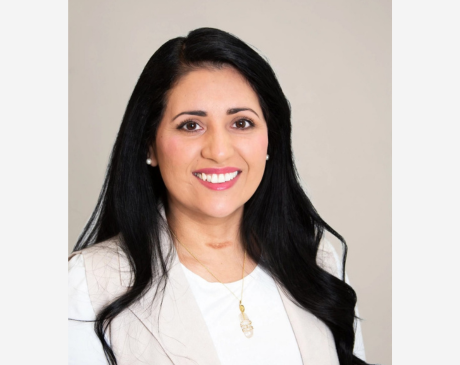
Every therapist at Willow Therapy is trained in trauma-informed care. Browse below to find the right fit for your history and needs.




Frequently Asked Questions About Trauma-Focused Therapy
Do I have to talk about what happened to me?
Not in detail, and not right away. Different trauma approaches vary in how much verbal recounting they require — EMDR, for example, involves holding the memory in mind without needing to narrate it in detail, while Prolonged Exposure involves more explicit recounting. Your therapist will explain what each approach involves and work with you to choose the method that feels most manageable.
What if I'm not sure my experience "counts" as trauma?
Trauma is defined by its impact — not by whether an outside observer would consider the event severe enough. If an experience has left lasting effects on how you feel, how you see yourself, or how you engage with the world, it deserves attention and care. You don't have to meet any particular threshold to deserve support.
How long does trauma therapy take?
It depends on the nature and complexity of your trauma history. Focused work on a single traumatic incident may resolve in as few as 8–16 sessions. Complex, developmental, or multiple-incident trauma typically requires longer treatment. Your therapist will give you a realistic estimate during your initial assessment.
Is trauma therapy available for children?
Yes. We offer trauma-focused care for children, adolescents, and teens using age-appropriate approaches including play therapy, TF-CBT, and child-adapted EMDR, with caregiver involvement built in from the start.
Can trauma therapy be done via telehealth?
Yes. Research supports the effectiveness of telehealth-delivered trauma-focused therapy, including EMDR and PE, for most clients. Our therapists are trained in online adaptations of all major trauma protocols. Telehealth therapy is available statewide.
Is trauma therapy covered by insurance?
Yes. Trauma-focused therapy is covered under mental health benefits by most major insurance plans, including Select Health, BlueCross BlueShield, United Healthcare, and Aetna. Visit our insurance page to verify your coverage.
What if I've tried therapy before and it didn't help?
This is more common than you might think — and it often reflects a mismatch between the type of therapy received and what trauma actually requires. General supportive counseling doesn't produce the same results for PTSD as structured, trauma-focused treatment. Our therapists will discuss your history honestly and help you find the right fit.
Getting Started With Trauma-Focused Therapy
Reaching out for trauma support is one of the bravest steps you can take. Here's how to begin.
- Schedule a ConsultationSchedule an appointment with one of our trauma-focused therapists. Your first session is about getting to know you — no pressure, no rushing.
- Choose Your Location or FormatWe offer trauma-focused therapy at our Pleasant Grove office and Orem office, as well as via telehealth statewide.
- Verify Your InsuranceMost major plans cover trauma-focused therapy. Visit our insurance page to confirm your benefits.
- Meet Your TherapistAsk questions, learn what to expect, and make sure the relationship feels right before any deep work begins.
- Trust the ProcessTrauma therapy asks a lot — and gives back more. The courage it takes to begin is the same courage that will carry you through.
Healing Is Not Just Possible — It's Within Reach
Trauma may have shaped your past, but it does not have to define your future. Whatever you have been through, you deserve care that truly understands trauma and knows how to heal it.
Related Approaches & Resources
Serving communities throughout Utah County including Orem, Provo, Pleasant Grove, Lehi, American Fork, Highland, Alpine, Lindon, Cedar Hills, Vineyard, Saratoga Springs, and surrounding areas.