
Performance Psychology in Utah County
Therapy and mental skills for people who perform under pressure, on stage, in the classroom, or in the boardroom, so anxiety and self-doubt stop getting in the way.
- Students, artists & professionals
- Teens & adults
- In person or online
 Coming Soon
Pressure Isn’t a Talent Problem. It’s a Response You Can Train.
You prepared. You know the material, the piece, or the pitch. Then the moment arrives and your mind goes blank, your hands shake, or you play it safe and hold back. That gap between what you can do and what you do under pressure is what performance psychology addresses.
Performance psychology looks at how your thoughts, emotions, and body respond when the stakes feel high. It teaches skills for staying focused and steady, and it treats the anxiety, perfectionism, and self-doubt that can turn a big moment into a threat.
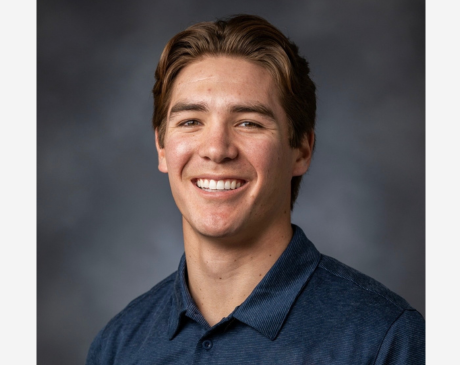
At Willow Therapy, performance psychology is provided by Danny Gelalich, a licensed Clinical Mental Health Counselor. A former Division I athlete, Danny learned about pressure firsthand, and he brings the same practical approach to students, artists, speakers, and professionals. Because he’s a therapist, sessions can also address anxiety, low mood, or burnout when they’re part of the picture.
You don’t need to feel calm to perform well. You need to know what to do with the nerves.
Who Performance Psychology Helps
Anyone who has to deliver when it counts, and feels the pressure of it.
Musicians, actors & performing artists
Recitals, auditions, and opening nights bring a particular kind of pressure. We work on stage fright, memory blanks, and fear of judgment so you can perform the way you do in practice.
Students & test-takers
Exams, admissions tests, presentations, and defenses can trigger intense anxiety even in well-prepared students. We support students across Utah County, including BYU and UVU students.
Professionals & leaders
Interviews, presentations, negotiations, and high-stakes decisions put you in the spotlight. We help you stay clear-headed and credible when the room is watching.
Speakers, teachers & presenters
If you present, teach, sell, or speak for a living, or dread having to, we help you build steadiness and recovery skills for the moments that don’t go to plan.
What We Work On
Performance pressure shows up in different ways. Most people recognize themselves in a few of these.
Performance anxiety & stage fright
Racing heart, shaky hands, and dread before you’re on. Learn to work with your body’s stress response instead of fighting it.
Freezing or blanking
Practice staying connected to what you know when your mind wants to shut down.
Imposter feelings & self-doubt
Question the story that you’re about to be found out, and build confidence from evidence.
Perfectionism
Keep high standards without the harsh inner critic that makes every mistake feel like a disaster.
Fear of judgment
Loosen the grip of what others might think so you can focus on the work in front of you.
Avoidance & procrastination
Understand why big moments trigger avoidance, and take steps toward them anyway.
Burnout & low motivation
Reconnect with why the work matters when the pressure has drained the meaning from it.
Recovering after a bad performance
Debrief without spiraling, learn from what happened, and get back out there.
Expectations from family, school, or career
Sort out which standards are yours and which you inherited, and how to carry them.
How Danny Approaches Performance Psychology
Danny integrates person-centered principles with CBT and ACT, and may use motivational interviewing to help you build momentum. The goal is skills you can use in the moment and a healthier relationship with pressure.
Cognitive Behavioral Therapy (CBT)
Notice and change the predictions and self-criticism that spike anxiety, like “I’m going to blow this.” Learn about CBT.
Acceptance & Commitment Therapy (ACT)
Learn to carry nerves with you and still act on your values, so anxiety doesn’t get to decide what you do. Learn about ACT.
Gradual practice under pressure
Rehearse the situations you fear in small, manageable steps, from talking through a presentation to a mock audition, so pressure becomes more familiar.
Pre-performance routines
Build a simple routine for the hours and minutes before, including breathing, focus cues, and helpful self-talk.
Mindfulness & grounding
Come back to the present when your mind races ahead, and settle your body when adrenaline spikes. Explore mindfulness.
Motivational interviewing
Clarify what you want from the moment, get honest about what’s in the way, and strengthen your own reasons for change.
What Working Together Looks Like
Whether you have a date on the calendar or a pattern you want to change, most work follows this path.
Clarify the moment that matters
Tell Danny about the performance or situation, what you want from it, and what tends to happen now.
Understand your pressure response
You map the thoughts, body sensations, and behaviors that show up before, during, and after, and where they get in your way.
Build your tools
You learn and practice skills for calming your body, shifting your attention, and responding to anxious thoughts.
Practice under realistic pressure
Rehearse in ways that stretch you a little at a time, like talking through the presentation, simulating the audition, or timed practice.
Perform, debrief, refine
After the event, you review what worked and what to adjust, so each performance builds on the last.
Coming SoonMeet Danny Gelalich
Danny Gelalich is a licensed Clinical Mental Health Counselor who sees clients at Willow Therapy’s Orem and Pleasant Grove offices and online across Utah. He holds a master’s degree in Counseling Psychology from the University of Denver and a bachelor’s degree in Psychology from Brigham Young University, where he also played Division I baseball.
His clinical work spans community mental health, a university training clinic, and school settings, and includes leading groups focused on emotion regulation. As a former Division I athlete, he understands pressure firsthand, and he brings the same practical, collaborative style to students, artists, and professionals.
- Licensed Clinical Mental Health Counselor (CMHC)
- M.A. in Counseling Psychology, University of Denver
- B.A. in Psychology, Brigham Young University (Division I baseball)
- Person-centered, CBT, and ACT approach, with motivational interviewing
Compete in a sport? Try sports psychology.
If your pressure moments happen on a field, court, or course, our sports psychology service is built for athletes.
Insurance & Payment
We accept most major insurance plans, including Select Health, Blue Cross Blue Shield, UnitedHealthcare, Aetna, and others. Insurance typically covers therapy for mental health concerns such as anxiety, depression, and stress-related conditions. Coverage for performance-focused work on its own varies by plan.
Our team will verify your benefits and talk through your options, including self-pay, before your first appointment. Check your coverage →
Frequently Asked Questions
What is performance psychology?
Performance psychology looks at how thoughts, emotions, and stress affect how we perform when it matters, whether that’s on stage, in an exam room, or in a meeting. It teaches practical skills for staying focused and steady under pressure, and it treats the anxiety, perfectionism, and self-doubt that can get in the way.
Is performance psychology only for athletes?
No. It applies anywhere the stakes feel high. If you compete in a sport, see our sports psychology page. If you’re a musician, student, speaker, or professional, this page is for you.
What’s the difference between performance anxiety and general anxiety?
Performance anxiety is tied to situations where you’re being evaluated or where the outcome matters, like a recital, a test, or a presentation. General anxiety shows up across many areas of life. They can overlap, and Danny will help you sort out which is which. Learn more about anxiety therapy.
Can you help with test anxiety?
Yes. Test anxiety is a common form of performance anxiety. Work can include settling physical symptoms, changing unhelpful thought patterns, and building study-day and test-day routines. We also support BYU students and UVU students.
Is this therapy or coaching?
It’s therapy provided by a licensed clinician. Sessions focus on practical performance skills and can also address anxiety, low mood, or burnout when they’re contributing. You decide where to put the emphasis.
Is Danny a performance psychologist?
Danny is a licensed Clinical Mental Health Counselor (CMHC) with a master’s degree in Counseling Psychology. He provides performance psychology-focused therapy and mental skills support. He is not a licensed psychologist, and we’re glad to answer any questions about his training before you begin.
Can you help me prepare for a specific event?
Yes. Many people come in with a date in mind, like an audition, exam, interview, or presentation. We can build a plan around that timeline, including practicing skills beforehand and debriefing afterward. More lead time gives you more room to practice, but a shorter runway can still help.
How many sessions will I need?
It depends on your goals and how long you’ve been dealing with the pressure. Some people work toward a specific event over a focused stretch, while others prefer ongoing support. Your first sessions will help set a plan and a realistic timeline.
Do you offer online sessions?
Yes. Danny sees clients in person in Orem and Pleasant Grove, and offers secure, HIPAA-compliant telehealth therapy anywhere in Utah. Online sessions can be a good fit when you’re traveling, in season, or short on time.
Is performance psychology covered by insurance?
Insurance typically covers therapy for mental health concerns such as anxiety, depression, and stress-related conditions. Coverage for performance-focused work on its own varies by plan. We accept most major insurance plans, and our team will verify your benefits and talk through options, including self-pay, before your first appointment. Verify your coverage here.
Ready to Perform With More Confidence?
Take the first step. Schedule a session with Danny in Orem, Pleasant Grove, or online.
Schedule Your AppointmentServing Utah County communities including:
Explore more: