
Sports Psychology in Utah County
Mental skills and therapy for athletes who want to compete with more confidence, focus, and composure. In Orem, Pleasant Grove, and online across Utah.
- Teen & adult athletes
- All sports and levels
- In person or online
 Coming Soon
The Mental Side of Sport Can Be Trained
You put in hours on strength, speed, and technique. But when nerves, self-doubt, or frustration start costing you points, more physical practice doesn’t fix it. The mental game needs its own training.
Sports psychology teaches the skills that help athletes perform: staying focused, handling pressure, bouncing back from mistakes, and building confidence that holds up on hard days. It also gives you a place to work through the stress, perfectionism, and expectations that can make a sport feel heavy.
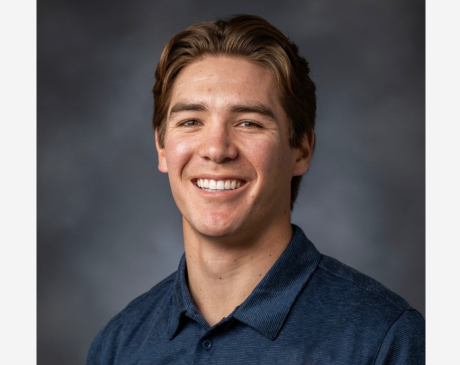
At Willow Therapy, sports psychology is provided by Danny Gelalich, a licensed Clinical Mental Health Counselor and former Division I baseball player. Because he’s a therapist, your sessions can cover both performance skills and what’s underneath them, like anxiety, low mood, or burnout, without sending you to two different providers.
Talent and training get you to the starting line. What happens in your head shapes how much of it you can use.
Who Sports Psychology Helps
Any athlete whose mindset is getting in the way of their sport, at any level.
Teen & adolescent athletes
Tryouts, playing time, and the expectations of coaches and parents can take the fun out of a sport. Therapy gives young athletes tools to handle pressure and keep their love of the game. Parents are welcome to be part of getting started.
College & club athletes
Juggling academics, training, travel, and performance expectations is a lot. We help you manage the load, stay steady in competition, and work through comparison, playing time, and transitions.
Adult competitive athletes
Runners, cyclists, triathletes, lifters, golfers, and league players who train seriously and want their mindset to match their preparation.
Athletes facing a setback
A slump, an injury, being cut, or stepping away from your sport can shake your confidence and your sense of identity. We help you work through the mental side of coming back or moving on.
What We Work On
Most athletes come in with one or two of these. Many find they overlap.
Pre-competition nerves
Racing thoughts, tight muscles, and a stomach in knots before you compete. Learn to channel activation instead of fighting it.
Confidence & self-doubt
Build confidence from preparation and evidence, not just from good days.
Focus & staying present
Recover quickly from mistakes, distractions, and crowds so you can stay with the next play.
Slumps & fear of failure
Break the cycle of overthinking, tightening up, and playing not to lose.
Perfectionism & self-criticism
Keep high standards without the harsh inner voice that makes every mistake feel huge.
Motivation & burnout
Reconnect with why you play when training starts to feel like a grind.
Injury: the mental side
Cope with lost time, fear of re-injury, and confidence on your return, alongside your medical team.
Coach, team & family pressure
Navigate expectations, playing time, and communication without losing yourself in it.
Transitions & identity
Graduating, retiring, or stepping back can leave you asking who you are without your sport.
How Danny Approaches Sports Psychology
Danny integrates person-centered principles with CBT and ACT, and may use motivational interviewing to help you build momentum. In sport, that turns into practical skills you can use in practice and on game day.
Cognitive Behavioral Therapy (CBT)
Spot the thoughts that feed doubt and pressure, like “I can’t miss this,” and replace them with self-talk that helps you perform. Learn about CBT.
Acceptance & Commitment Therapy (ACT)
Make room for nerves and discomfort while you act on what matters to you, instead of waiting to feel ready. Learn about ACT.
Mental skills training
Pre-performance routines, breathing and activation control, imagery, goal setting, and focus cues, tailored to your sport and position.
Mindfulness & composure
Stay in the present moment, reset after mistakes, and settle your body when the pressure spikes. Explore mindfulness.
Motivational interviewing
Clarify your goals, get honest about what’s in the way, and strengthen your own reasons for change.
Stress management
Balance training, school or work, and recovery so stress doesn’t build into burnout. Explore stress management.
What Working Together Looks Like
Every athlete’s timeline is different, but most work follows this path.
Start with a conversation
Your first session is about you: your sport, your level, your goals, and what’s getting in the way. Danny asks about your history and what a good outcome would look like.
Map your mental game
Together you look for patterns: when things break down, what you tell yourself in those moments, and what your body does under pressure.
Build your toolkit
You learn and practice skills matched to your sport, like routines, self-talk, breathing, and focus cues, right in session.
Test it in real competition
You use your skills in practices and games, then debrief what worked and adjust. Progress usually shows up in real situations, not just in the office.
Keep it going
As things improve, the focus shifts to maintaining gains, preparing for bigger moments, and handling setbacks on your own.
Coming SoonMeet Danny Gelalich
Danny Gelalich is a licensed Clinical Mental Health Counselor who sees clients at Willow Therapy’s Orem and Pleasant Grove offices and online across Utah. He holds a master’s degree in Counseling Psychology from the University of Denver and a bachelor’s degree in Psychology from Brigham Young University, where he also played Division I baseball.
He knows what it’s like to compete with something on the line: the nerves before a big game, the frustration of a slump, the pressure of balancing school, training, and expectations. That experience, combined with his clinical training, shapes how he works with athletes: practical, collaborative, and focused on the goals you set.
- Licensed Clinical Mental Health Counselor (CMHC)
- M.A. in Counseling Psychology, University of Denver
- B.A. in Psychology, Brigham Young University (Division I baseball)
- Person-centered, CBT, and ACT approach, with motivational interviewing
Not an athlete? Try performance psychology.
If your “game” is a stage, a classroom, or a conference room, our performance psychology service helps you perform under pressure.
Insurance & Payment
We accept most major insurance plans, including Select Health, Blue Cross Blue Shield, UnitedHealthcare, Aetna, and others. Insurance typically covers therapy for mental health concerns such as anxiety, depression, and stress-related conditions. Coverage for performance-focused work on its own varies by plan.
Our team will verify your benefits and talk through your options, including self-pay, before your first appointment. Check your coverage →
Frequently Asked Questions
What is sports psychology?
Sports psychology focuses on the mental side of athletic performance: how thoughts, emotions, and stress affect the way you train and compete. It combines practical mental skills, like focus routines and confidence-building, with evidence-based therapy approaches that help when anxiety, perfectionism, or pressure get in the way.
Is sports psychology the same as therapy?
They overlap. At Willow, sports psychology is provided by a licensed therapist, so sessions can include performance-focused mental skills and support for concerns like anxiety, low mood, or burnout when they’re part of the picture. You decide where to put the emphasis.
Do I need to be an elite athlete?
No. Danny works with athletes at every level, from youth and high school teams to college, club, and adult recreational competitors. If your sport matters to you and your mindset is getting in the way, it’s a good fit.
Is Danny a sports psychologist?
Danny is a licensed Clinical Mental Health Counselor (CMHC) with a master’s degree in Counseling Psychology. He provides sports psychology-focused therapy and mental skills support. He is not a licensed psychologist, and we’re glad to answer any questions about his training before you begin.
Can my teenager see Danny?
Danny works with adolescents and adults. For minors, a parent or guardian completes the initial paperwork and consent, and we talk with families about how to support the athlete without adding to the pressure they already feel.
How many sessions will I need?
It depends on your goals and your season. Some athletes work on a specific concern, like pre-competition nerves, over a focused stretch, while others meet regularly throughout a season. Your first sessions will help set a plan and a realistic timeline.
Can you help with injury recovery?
Danny can support the mental and emotional side of injury, including frustration, fear of re-injury, and rebuilding confidence, alongside your doctor, physical therapist, and athletic trainer. He does not provide medical care or physical rehabilitation.
Do you offer online sessions?
Yes. Danny sees clients in person in Orem and Pleasant Grove, and offers secure, HIPAA-compliant telehealth therapy anywhere in Utah. Online sessions can be a good fit when you’re traveling, in season, or short on time.
Is sports psychology covered by insurance?
Insurance typically covers therapy for mental health concerns such as anxiety, depression, and stress-related conditions. Coverage for performance-focused work on its own varies by plan. We accept most major insurance plans, and our team will verify your benefits and talk through options, including self-pay, before your first appointment. Verify your coverage here.
Ready to Train Your Mental Game?
Take the first step. Schedule a session with Danny in Orem, Pleasant Grove, or online.
Schedule Your AppointmentServing Utah County communities including:
Explore more: