
Video Game Addiction Therapy in Utah
Gaming isn't the enemy — but when it starts running your life instead of fitting into it, support can help. Practical, judgment-free therapy for kids, teens, and adults.
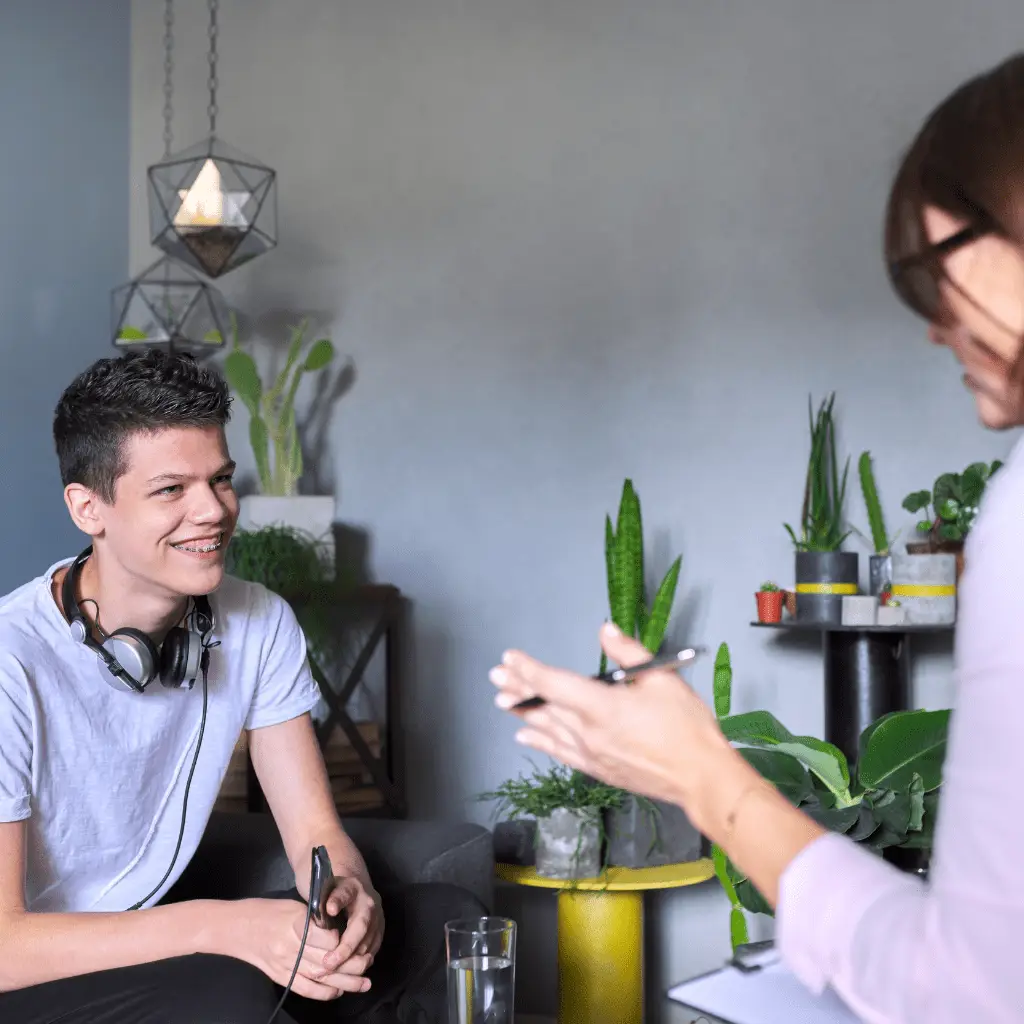
When Gaming Stops Being a Hobby
Video games are a normal, often healthy part of life — a source of entertainment, connection, achievement, and stress relief for millions of people. The concern isn't gaming itself. It's when gaming becomes the primary way someone copes with stress, avoids real-life problems, or starts displacing school, work, sleep, relationships, and basic functioning.
At Willow, we provide compassionate, judgment-free therapy for video game addiction — sometimes called gaming disorder — for kids, teens, and adults. We don't approach gaming as something inherently bad. We focus on understanding what need the gaming is meeting, and helping you or your child build a healthier, more balanced relationship with it.
This is especially common with teens and young adults, and we work closely with parents through our child and adolescent therapy services and family therapy when it's helpful.
Signs gaming may have become a problem:
- Preoccupied with gaming even when not playing
- Losing track of time, gaming late into the night
- Neglecting school, work, hygiene, or relationships
- Irritable, anxious, or restless when unable to play
- Using gaming as the main way to escape stress or emotions
- Lying about how much time is spent gaming
- Withdrawing from in-person friendships and activities
- Difficulty cutting back despite wanting to or trying to
Understanding Why Gaming Becomes Compulsive
Gaming disorder, recognized by the World Health Organization as a diagnosable condition, often develops as a coping strategy — not a character flaw. Understanding the underlying need is the first step toward real change.

Therapy for Kids, Teens, Adults & Families
Gaming addiction can affect anyone, regardless of age. We work with:
- Children and teens whose gaming is affecting school, sleep, or family relationships
- Young adults struggling to balance gaming with college, work, or independence
- Adults whose gaming has begun to affect their career, marriage, or daily responsibilities
- Individuals using gaming to cope with underlying anxiety, depression, or social difficulty
- Parents seeking guidance on screen time boundaries and family communication
- Families experiencing conflict centered around a loved one's gaming habits
Therapy isn't about taking gaming away — it's about understanding what's underneath it and building a life where gaming is a healthy part of the picture, not the whole picture.
What Video Game Addiction Therapy Addresses
Sessions are personalized to the individual's age, situation, and underlying needs. These are the core areas we work on:
Understanding the Underlying Need
Identifying what gaming is providing — escape, connection, control, achievement — and addressing that need directly, rather than just trying to reduce screen time alone.
Co-Occurring Anxiety & Depression
Gaming addiction frequently overlaps with anxiety, depression, or social difficulty. Treating these directly is often the most effective path to healthier gaming habits.
Healthy Routines & Time Management
Building structured routines, realistic screen time boundaries, and time management skills that create balance without making gaming feel like a forbidden, all-or-nothing issue.
Social Skills & Real-World Connection
For those who have withdrawn into gaming as their primary social outlet, therapy helps rebuild confidence and skills for in-person connection and offline relationships.
Family Communication & Conflict
Helping parents and family members navigate gaming-related conflict with structure and empathy rather than ultimatums — and helping the whole family communicate better.
Building Healthy Coping Skills
Developing real alternatives for managing stress, boredom, and difficult emotions — so gaming becomes one healthy outlet among several, rather than the only one.
Motivation for Change
For teens and young adults who may not see gaming as a problem (even when others do), motivational approaches help build genuine, internal motivation rather than relying on outside pressure.
Sleep & Daily Functioning
Addressing the downstream effects of excessive gaming — disrupted sleep, declining grades or work performance, and physical health — as part of a complete recovery plan.
"The goal isn't to take gaming away. It's to help you build a life rich enough that gaming becomes a choice again — not an escape."
Willow Therapy ServicesEvidence-Based Therapy Approaches
Your therapist personalizes the approach to the individual's age, history, and underlying needs. These are the methods most commonly used:
Cognitive Behavioral Therapy (CBT)
Identifies and reshapes the thought patterns and triggers driving compulsive gaming — and builds practical strategies to change the cycle, used with both teens and adults.
Helps build internal motivation for change — especially important with teens who may feel forced into therapy rather than choosing it themselves.
Mindfulness Strategies
Builds awareness of urges and triggers to game, creating space to make intentional choices rather than acting automatically on impulse.
Brings parents and family members into the process to improve communication, establish consistent boundaries, and address the relational dynamics that affect gaming habits.
Explores how connection and relationships at home affect gaming patterns — particularly relevant for younger clients still developing their sense of security and belonging.
A warm, non-judgmental approach especially important for teens who often expect to be lectured. Building trust first makes everything else possible.
A Note for Parents in Utah County
If you're a parent concerned about your child's or teen's gaming, you're not alone — this is one of the most common concerns we hear from families across Utah County. It can be hard to know where the line is between normal teenage interest and something that needs professional support.
We work collaboratively with families — meeting with the child or teen individually, and bringing parents in through family sessions to build consistent, realistic boundaries together. Our goal isn't to take sides between parent and child, but to help the whole family find a healthier dynamic around technology and connection.
For teens who are resistant to therapy, our child and adolescent therapists are skilled at building rapport and trust — even with kids who didn't want to be there in the first place. Telehealth is also available statewide, which some teens find more comfortable than an in-person office visit.
Find the Right Therapist
Our therapists work with kids, teens, and adults navigating gaming-related concerns. Browse our full roster or use these filters to find a strong match:
Video Game Addiction Therapy Near You in Utah County
Pleasant Grove Office
233 S Pleasant Grove Blvd
Suite 201, Pleasant Grove, UT 84062
Virtual — Anywhere in Utah
Secure, HIPAA-compliant video sessions statewide — often more comfortable for teens who are hesitant about in-person therapy.
Learn about telehealth →