
Body Image Therapy in Utah County
Ease body shame, constant comparison, and harsh self-talk, and feel more at home in your own skin. Compassionate therapists in Orem and online across Utah.
- Teens & adults
- Most major insurance accepted
- In person or online
Does this sound familiar?
- “I avoid mirrors and photos.”
- “I compare myself to everyone.”
- “I’ll feel better once my body changes.”
- “I don’t want to be seen.”
- “I judge my body all day.”
You’re not alone, and it’s something you can change.
How You See Your Body Isn’t the Same as How It Looks
Body image is the picture you carry in your mind of your body, and the thoughts and feelings that come with it. It’s shaped by far more than the mirror: social media, diet culture, family comments, past experiences, and the standards around us. You can look one way to the world and feel completely different about yourself.
For many people, negative body image quietly takes up a lot of room. It affects what you wear, where you go, who you let close, and how you feel about yourself overall. It can also sit alongside anxiety, depression, and disordered eating.
The good news is that body image can change. Therapy helps you understand where these feelings come from, soften the harsh voice in your head, and build a life that isn’t organized around how you look. You may also want to read about our body positivity therapy.
You don’t have to love your body to stop letting your feelings about it run your life.
If you’re struggling with restricting, bingeing, purging, or compulsive exercise, please reach out for support, and consider a medical check-up, since these patterns can affect your physical health. If you are ever thinking about harming yourself, call or text 988 or go to your nearest emergency room.
What Body Image Struggles Can Look Like
They show up in thoughts, feelings, and everyday choices. You may recognize yourself in a few of these.
Constant comparison
Measuring your body against friends, strangers, or images online, and coming up short.
Avoiding mirrors, photos, or being seen
Skipping pictures, dodging mirrors, or hiding in loose clothes to avoid feeling exposed.
Body checking
Repeatedly checking, pinching, weighing, or measuring, and feeling worse each time.
Harsh self-talk about your body
A running commentary that would feel cruel if it were said to someone you love.
Avoiding activities you’d enjoy
Skipping the pool, the gym, intimacy, or social events because of how you feel about your body.
Tying self-worth to appearance
Feeling that your value, or your chance at happiness, depends on how you look.
Rigid or guilt-driven rules
Strict rules about food or exercise that leave you anxious or ashamed when you break them.
Distress around clothes and getting dressed
Getting ready feels like a battle, and nothing feels right.
Anxiety, low mood, or shame
The weight of body dissatisfaction spills into how you feel about yourself in general.
Who Body Image Struggles Affect
Anyone can struggle with how they feel about their body, at any age and any stage of life.
Teens & young adults
Puberty, peer comparison, and social media hit hard at a stage when identity is still forming. Therapy gives young people tools to build a steadier sense of self.
Women & moms
Pregnancy, postpartum changes, and the pressure to “bounce back” can shake how you feel in your body. Learn about our postpartum support.
Men & boys
Pressure to be lean or muscular is real and often goes unspoken. Body image struggles affect people of every gender, and getting help is not a weakness.
After life changes
Illness, injury, surgery, medication changes, aging, or weight changes can alter how you relate to your body. We help you make room for the body you have now.
LGBTQ+ individuals
Body image can be tangled up with identity, safety, and being seen. Some of our therapists offer LGBTQ+ affirming care.
Culture, family & community
Comments from relatives, expectations about appearance, and community standards can all shape how you see yourself. We help you sort out which voices are yours.
Body Image, Disordered Eating, and Eating Disorders
These sit on a spectrum. Therapy can help at every point, and a therapist can help you figure out where you are.
Negative body image
Persistent dissatisfaction, shame, or preoccupation with your body that affects your mood and choices. It’s common, and it deserves care.
Disordered eating
Patterns like rigid food rules, skipping meals, emotional or binge eating, or compulsive exercise that cause distress but may not meet the criteria for an eating disorder.
Eating disorders
Serious conditions that affect physical and mental health. They need professional support, often including medical care and a registered dietitian.
How Therapy Helps
Our therapists use evidence-based approaches that focus on your relationship with your body, not on changing your body. The mix depends on you and on your therapist’s training.
Cognitive Behavioral Therapy (CBT)
Notice the thoughts and behaviors that keep body dissatisfaction going, like body checking and avoidance, and change them step by step. Learn about CBT.
Acceptance & Commitment Therapy (ACT)
Move toward the life you value even when hard thoughts about your body show up. This is often called a body-neutral approach. Learn about ACT.
Self-compassion
Practice treating yourself with the kindness you’d offer a friend, which can soften shame and make change more possible.
Mindfulness & body awareness
Reconnect with your body through curiosity instead of judgment. Explore mindfulness.
Trauma-informed care
When body image is tied to past experiences, some of our therapists use approaches like EMDR and Internal Family Systems.
A healthier relationship with social media
Look at how comparison feeds your feelings, and build habits that protect your peace.
What Working Together Looks Like
Every person’s pace is different, but therapy for body image often follows this path.
Start with your story
Your therapist listens to how you feel about your body, how it affects your life, and what you hope will change.
Understand what keeps it going
Together you explore the comparison, avoidance, and rules that keep body dissatisfaction alive, and where they came from.
Build new skills
You practice self-compassion, flexible thinking, and ways to respond when hard thoughts and feelings show up.
Take steps toward what matters
You gradually return to things you’ve avoided and build a life that doesn’t revolve around how you look.
Involve your care team when needed
If eating concerns or physical health are part of the picture, we encourage working with your doctor and a registered dietitian alongside therapy.
Meet Therapists Who Work With Body Image
These therapists list body image, body positivity, or disordered eating among their areas of focus. All three see clients in Orem and online.

Hannah Wolverton
LMFT
Orem · Virtual
Body image, eating disorders & disordered eating, emotional eating. Ages 14+
Meet Hannah →
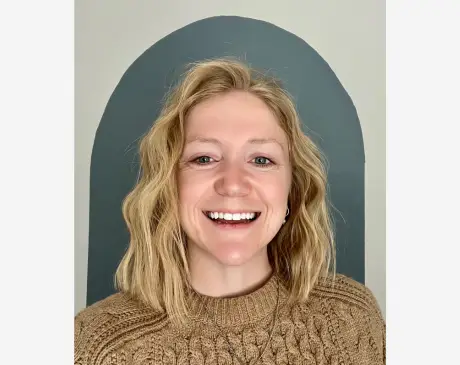
Celeste Webster
CSW
Orem · Virtual
Body image & disordered eating. Teens, young adults & families. Ages 10+
Meet Celeste →

Sierra Livermore
AMFT
Orem · Virtual
Body positivity, self-esteem & women’s issues. All ages
Meet Sierra →
Not sure who to choose? Call (801) 410-0542 or schedule online, and our team will help you find a good fit. See all therapist profiles →
Worried about how you relate to food?
Learn about our eating disorder and disordered eating support, and how to get started.
Insurance & Payment
We accept most major insurance plans, including Select Health, Blue Cross Blue Shield, UnitedHealthcare, Aetna, and others. Body image concerns often come with anxiety, depression, or disordered eating, and insurance typically covers therapy for those concerns and for eating disorders. Coverage varies by plan and by the reason for care.
Our team will verify your benefits and talk through your options, including self-pay, before your first appointment. Check your coverage →
Frequently Asked Questions
What is negative body image?
Body image is how you see, think, and feel about your body. Negative body image means those thoughts and feelings are mostly critical or shame-filled, and they affect your mood, choices, and relationships. It’s separate from how your body actually looks.
Is body image a mental health issue?
Poor body image isn’t a diagnosis by itself, but it’s closely linked to anxiety, depression, low self-esteem, and disordered eating. You don’t need a diagnosis to get help. If it’s affecting your daily life, therapy can help.
How do I know if it’s body image issues or an eating disorder?
They exist on a spectrum, and it can be hard to tell from the inside. Warning signs of an eating disorder include restricting, bingeing, purging, or compulsive exercise. A therapist can help you understand what’s going on and connect you with the right level of care. Learn about eating disorder support.
What is body dysmorphic disorder?
Body dysmorphic disorder (BDD) involves intense preoccupation with perceived flaws in appearance that others often don’t notice, along with repetitive behaviors like checking or hiding. If your therapist thinks BDD may be part of the picture, they’ll talk with you about the right treatment and, if needed, connect you with a specialist.
Can therapy really change how I feel about my body?
Yes. Body image is shaped by thoughts, habits, and experiences, and those can change. Approaches like CBT, ACT, and self-compassion work help many people feel less consumed by body worries and freer to live their lives. How long it takes depends on you.
Do I have to love my body?
No. The goal isn’t forced positivity. For many people, a more realistic goal is body neutrality: respecting your body, caring for it, and no longer letting your feelings about it run your life. Your therapist will help you find a goal that fits you.
Will therapy focus on my weight or on changing my body?
Therapy focuses on your relationship with your body and your well-being, not on changing your body. If you have questions about your physical health, we encourage talking with your doctor.
Can teens get help with body image?
Yes. Body image struggles often begin in the teen years, and several of our therapists work with teens, including Celeste (ages 10 and up) and Hannah (ages 14 and up). Parents are involved in getting started, and we talk with families about how to support without adding pressure.
Is online therapy available?
Yes. All of the therapists listed on this page offer secure, HIPAA-compliant telehealth therapy anywhere in Utah, and in-person sessions in Orem.
Is therapy for body image covered by insurance?
Body image concerns often come with anxiety, depression, or disordered eating, and insurance typically covers therapy for those concerns and for eating disorders. Body image alone isn’t a diagnosis, so coverage depends on your plan and the reason for care. We accept most major insurance plans, and our team will verify your benefits and talk through options, including self-pay, before your first appointment. Verify your coverage here.
How do I choose a therapist?
Browse the profiles above or call us at (801) 410-0542, and our team will help match you with a therapist who fits. If the first fit isn’t right, let us know and we’ll help you find a better one.
Ready to Feel More at Home in Your Body?
You deserve a relationship with your body that isn’t built on shame. Schedule an appointment in Orem or online.
Schedule Your AppointmentServing Utah County communities including:
Explore more: