
Sexual Trauma Therapy in Utah County
Confidential, trauma-informed support to help you heal at your own pace. You are believed, and you are not alone. In-person in Orem, Pleasant Grove, and online across Utah.
- You set the pace
- Confidential
- In person or online
Does this sound familiar?
- “It happened a long time ago, so I shouldn’t still feel this way.”
- “I freeze up and don’t know why.”
- “I don’t trust the way I used to.”
- “I feel disconnected from my body.”
- “I’ve never told anyone.”
Whatever happened, and whenever it happened, healing is possible.
What Happened to You Was Not Your Fault
Sexual trauma can come from a single event or from something that happened over time, in childhood or adulthood, recently or many years ago. However it happened, and whoever caused it, it was not your fault. You do not need to justify or prove your experience to deserve support.
The effects of sexual trauma can show up right away or years later, sometimes triggered by an unrelated event, a relationship, or a stage of life. Anxiety, trouble trusting, feeling disconnected from your body, or difficulty with intimacy are common responses to something that was never okay, not signs that something is wrong with you.
At Willow Therapy, our therapists provide trauma-informed care that puts you in control of the pace and the process. We use evidence-based approaches, including EMDR, that are specifically designed to help you heal. You may also want to read about our broader trauma-focused therapy.
You get to decide what you share, when you share it, and what healing looks like for you.
If you are in immediate danger, call 911. For confidential, 24/7 support after sexual assault, contact the National Sexual Assault Hotline at 1-800-656-4673 or online at hotline.rainn.org. If you are thinking about harming yourself, call or text 988. This page is for information and support and is not a substitute for emergency care.
Effects of Sexual Trauma
Everyone responds differently, and effects can show up right away or much later. You may recognize yourself in a few of these.
Anxiety, fear, or feeling on edge
A sense of danger or unease that doesn’t match the present moment.
Intrusive memories or flashbacks
Unwanted memories, images, or physical sensations that show up without warning.
Avoidance
Steering clear of people, places, situations, or even conversations that bring up what happened.
Difficulty trusting or feeling safe
In relationships, in your own judgment, or in your body.
Shame, guilt, or self-blame
Believing, despite what you know logically, that you did something to cause or deserve what happened.
Feeling numb or disconnected
From your emotions, your body, or the people around you.
Trouble with intimacy or relationships
Difficulty feeling safe or present with a partner, or patterns that feel confusing or out of your control.
Sleep problems & hypervigilance
Trouble falling or staying asleep, nightmares, or constantly scanning for danger.
Depression or hopelessness
A heaviness or loss of interest that can develop alongside anxiety and fear.
Who We Support
Sexual trauma affects people of every age, gender, and background. Support looks a little different for everyone.
Survivors of childhood sexual abuse
Whether the abuse happened once or over time, and whether it was recently remembered or something you’ve carried for years.
Survivors of sexual assault as teens or adults
Including assault by a stranger, an acquaintance, a partner, or within a relationship.
Survivors processing something from long ago
There is no expiration date on needing support. Many people seek help years or decades after what happened.
Partners & families of survivors
Understanding how to support someone you love, and getting support for the impact on your own relationship or family.
Men & boys
Sexual trauma affects people of every gender. Men and boys often face added stigma in coming forward, and deserve the same care and belief.
LGBTQ+ survivors
Sexual trauma can intersect with identity, disclosure, and safety in specific ways. Some of our therapists offer LGBTQ+ affirming care.
How Therapy Helps
Our therapists use evidence-based, trauma-informed approaches, matched to your needs and your readiness.
Trauma-informed, paced care
Your therapist prioritizes safety and choice at every step, and never pushes you to share more than you’re ready to. Learn about trauma-focused therapy.
EMDR therapy
A leading treatment for trauma that helps your brain reprocess distressing memories, often without requiring you to describe them in detail. Learn about EMDR.
Cognitive Processing Therapy (CPT)
A structured approach that helps you examine and shift the beliefs trauma can leave behind, like self-blame, safety, and trust. Learn about CPT.
Prolonged Exposure Therapy
A gradual, well-supported approach to reducing the power of avoidance and fear, at a pace you help set. Learn about Prolonged Exposure Therapy.
Acceptance & Commitment Therapy (ACT)
Build a life aligned with your values while carrying difficult memories and feelings with more ease. Learn about ACT.
Attachment & relationship-focused care
When trauma affects trust and intimacy, some of our therapists integrate attachment-based approaches and couples counseling.
What to Expect
Safety and trust come first. Here is what you can count on.
You are believed
Whatever you share, and whenever you share it, you will be believed and never questioned or blamed.
You set the pace
You decide what to talk about, how much detail to share, and when. Your therapist follows your lead.
Confidential
What you share stays private, protected by law, except in situations required by law, like an ongoing risk to a child’s safety, which your therapist will explain clearly.
No pressure to report or take action
Whether or how you address what happened outside of therapy, including any legal steps, is entirely your decision.
What Working Together Looks Like
Every survivor’s path is different, and there is no set timeline. Treatment often follows a path like this.
Start with safety
Your first sessions focus on building trust and a sense of safety, without any pressure to share details before you’re ready.
Build coping skills
You learn tools for managing anxiety, flashbacks, or overwhelming feelings when they show up.
Process at your pace
When and if you’re ready, you and your therapist work through what happened using an approach suited to you, like EMDR or CPT.
Rebuild trust and connection
You work on trust, safety, and intimacy in your relationships, and in your relationship with yourself.
Move forward on your terms
Therapy supports you in defining what healing and moving forward look like for you, not a fixed timeline or outcome.
Meet Therapists Who Provide Trauma Care
These therapists have specific training or experience in trauma treatment. All offer telehealth, and you can request a therapist of a specific gender when you reach out.

Alisha Delacruz
LCSW
Pleasant Grove · Virtual
Trauma, PTSD & CPT. Air Force veteran with advanced trauma training
Meet Alisha →

Hannah Wolverton
LMFT
Orem · Virtual
Trauma therapy & EMDR. Ages 14+
Meet Hannah →

Ivy Christiansen
LMFT
Pleasant Grove · Virtual
Trauma-focused care for individuals and families
Meet Ivy →

Kelsey Tuia
AMFT
Orem · Virtual
Trauma-informed care using narrative therapy and IFS
Meet Kelsey →

Celeste Webster
CSW
Orem · Virtual
Trauma, anxiety & identity. Person-centered, ACT-informed. Ages 10+
Meet Celeste →
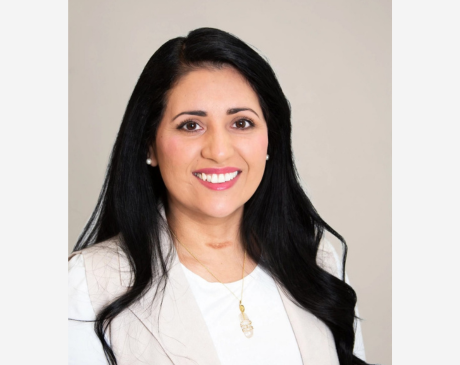
Maria Soberon
AMFT
Virtual
English / Spanish
Trauma-informed, EMDR-informed care. English or Spanish, virtual only
Meet Maria →
Not sure who to choose, or want to request a therapist of a specific gender? Call (801) 410-0542 or schedule online, and our team will help you find a good fit. See all therapist profiles →
Is body image part of what you’re carrying?
Trauma can shape how you feel about your body. Our body image therapy page explains how we help.
Insurance & Payment
We accept most major insurance plans, including Select Health, Blue Cross Blue Shield, UnitedHealthcare, Aetna, and others. Therapy for trauma-related symptoms is standard outpatient mental health care and is typically covered, subject to your benefits.
Our team will verify your benefits and talk through your options, including self-pay, before your first appointment. Check your coverage →
Frequently Asked Questions
How do I know if I need therapy for sexual trauma?
If something that happened to you still affects your mood, relationships, sense of safety, or daily life, whether it happened recently or long ago, that is reason enough to reach out. You don’t need a diagnosis or a specific set of symptoms to get support.
Do I have to describe what happened in detail?
No. You share only what you choose to, at your own pace. Some approaches, like EMDR, are specifically designed to help you heal without requiring a detailed retelling.
What if it happened a long time ago?
There is no timeline on healing. Many people come to therapy years or decades after their trauma, sometimes after something brings it back to the surface. It’s never too late to get support.
What if I’m not sure it “counts” as trauma?
You don’t need to judge or justify your experience before seeking help. If something happened that affected your sense of safety, consent, or self, it’s worth talking to someone about, whatever words you use for it.
Will my therapist make me report what happened?
No. Whether, when, and how to report to police or take any other action is entirely your decision. Your therapist will support whatever choice you make. The one exception is situations where the law requires reporting, such as ongoing risk to a child’s safety, which your therapist will explain clearly.
Is therapy confidential?
Yes. What you share is protected by law and confidential, with narrow exceptions required by law, such as an immediate risk to your safety or a child’s safety. Your therapist will explain these limits clearly at the start.
Can my partner or spouse be involved?
If it would help, yes. Some survivors want their partner involved in parts of treatment, especially around trust and intimacy, and we offer couples counseling alongside individual work. Others prefer to keep their individual therapy separate. It’s your choice.
What therapy approaches are most effective for sexual trauma?
EMDR, Cognitive Processing Therapy (CPT), and Prolonged Exposure Therapy all have strong research support for trauma from sexual assault and abuse. Your therapist will help you understand your options and choose an approach that fits you.
Can teens get help for sexual trauma?
Yes. Several of our therapists work with teens, including Celeste (ages 10 and up) and Hannah (ages 14 and up). For minors, a parent or guardian is involved in getting started, and your therapist will talk with you about how that works given your situation.
Is therapy for sexual trauma covered by insurance?
Usually. Therapy for trauma-related symptoms, such as PTSD, anxiety, or depression, is standard outpatient mental health care and is covered by most major plans, subject to your benefits. We accept most major insurance plans, and our team will verify your coverage before your first appointment. Verify your coverage here.
How do I choose a therapist?
Browse the profiles above, or call us at (801) 410-0542 and our team will help match you, including matching you with a therapist of a specific gender if that matters to you. If the first fit isn’t right, let us know and we’ll help you find a better one.
You Don’t Have to Carry This Alone
Whenever you’re ready, we’re here. Schedule a confidential appointment in Orem or online.
Schedule Your AppointmentServing Utah County communities including:
Explore more: