
Panic Attack & Panic Disorder Therapy in Utah County
Stop living in fear of the next attack. Learn what panic really is, how to break the cycle, and how to get your life back. Licensed therapists in Orem, Pleasant Grove, and online.
- Kids, teens & adults
- Most major insurance accepted
- In person or online
What a panic attack can feel like
- Racing or pounding heart
- Shortness of breath or chest tightness
- Dizziness, shaking, or tingling
- A sense of unreality
- Fear of losing control or dying
Frightening, but not harmful, and very treatable.
Panic Feels Like an Emergency. You Can Learn It Isn’t One.
A panic attack can hit in seconds: your heart pounds, you can’t catch your breath, and your mind insists something terrible is happening. It’s one of the most frightening experiences a person can have, and it often leads to emergency rooms, doctor visits, and a growing fear of the next one.
The good news is that panic attacks, while intense, are not harmful, and panic disorder is one of the most treatable anxiety conditions. Most of the suffering comes from the fear of the attacks and from the avoidance that follows. That is exactly what therapy targets.
At Willow Therapy, our therapists use evidence-based approaches, including CBT and gradual exposure, to help you understand panic, stop fearing it, and return to the places and activities you’ve been avoiding. Panic is one form of anxiety, so you may also want to read about our anxiety therapy.
The attack itself passes. The fear of the next one is what keeps panic alive, and it’s what we treat.
Please get medical care first if you have chest pain, trouble breathing, or symptoms you’ve never had before, since panic can look like a medical emergency. If you are ever thinking about harming yourself, call or text 988 or go to your nearest emergency room. Therapy is not a substitute for emergency care.
What a Panic Attack Feels Like
Symptoms vary from person to person and usually peak within minutes. You may have a few of these or many.
Racing or pounding heart
Your heartbeat surges, and it can feel like something is seriously wrong.
Shortness of breath
A feeling that you can’t get enough air, or a tight, closing sensation in your throat.
Chest tightness or pain
One of the most frightening symptoms, and one that’s easy to mistake for a heart problem.
Dizziness or lightheadedness
Feeling faint, unsteady, or as if you might pass out.
Trembling & sweating
Shaking, hot or cold flashes, and a sudden wave of sweat.
Nausea or stomach distress
Churning, cramping, or a sudden urge to get to a bathroom.
Tingling or numbness
Pins and needles in your hands, feet, or face.
Feeling unreal or detached
The world seems foggy, distant, or dreamlike, or you feel outside your own body.
Fear of losing control or dying
A sense of dread that something terrible is about to happen.
Panic Attack, Panic Disorder, or Agoraphobia?
They’re related but different. A therapist can help you sort out which describes your experience.
Panic attack
A sudden surge of intense fear that peaks within minutes, with strong physical symptoms. Many people have one or two in their lives, often during high stress.
Panic disorder
Repeated, unexpected panic attacks followed by ongoing worry about having another, or changes in behavior to avoid them. The fear of the next attack becomes the problem.
Agoraphobia
Fear and avoidance of places or situations where escape feels difficult or help feels out of reach, like crowds, stores, freeways, or being far from home.
The Panic Cycle
Panic tends to feed itself. Understanding this loop is the first step to breaking it.
A sensation or trigger
A racing heart, dizziness, a stressful moment, or sometimes nothing you can identify.
An alarming thought
“Something is wrong. I’m going to faint, lose control, or have a heart attack.”
Fear takes over
Adrenaline surges, the body sensations get stronger, and the fear feeds on itself.
Avoidance
You leave, avoid the place, or start monitoring your body. Relief comes fast, but the fear grows.
…and the fear of the next attack sets the cycle in motion again.
What Can Help During a Panic Attack
These are short-term tools to get through the moment. Therapy goes further by addressing the cycle behind the attacks.
Name what’s happening
Tell yourself, “This is a panic attack. It feels awful, but it will peak and pass.”
Lengthen your exhale
Breathe in gently through your nose for about four counts, then out slowly for about six. Slow, easy breathing helps calm your body.
Ground yourself in the room
Notice five things you can see, four you can touch, three you can hear, two you can smell, and one you can taste.
Ride the wave
Fighting the sensations tends to make them stronger. When it’s safe, let the wave rise and fall. If you’re driving, pull over safely first.
How Therapy Helps
Panic disorder responds well to treatment. Our therapists use evidence-based approaches, and the mix depends on you and on your therapist’s training.
Cognitive Behavioral Therapy (CBT)
CBT is considered a first-line treatment for panic disorder. You learn how the panic cycle works and how to change the catastrophic thoughts that fuel it. Learn about CBT.
Interoceptive exposure
Practice the body sensations of panic, like a fast heartbeat or dizziness, in a safe, guided way until they feel less threatening.
Gradual exposure to avoided places
Step by step, return to the places and activities panic has taken from you, at a pace you help set.
Acceptance & Commitment Therapy (ACT)
Learn to let anxious sensations and thoughts be there while you move toward what matters to you. Learn about ACT.
Mindfulness & grounding
Build skills for staying present and settling your body, so sensations feel less like a threat. Explore mindfulness.
Coordination with your doctor
We encourage a medical check-up to rule out other causes. Therapists don’t prescribe medication, but we’re glad to coordinate with your doctor or psychiatrist if medication is part of your plan.
What Working Together Looks Like
Every person’s pace is different, but treatment for panic often follows this path.
Assessment and a medical check-in
Your therapist learns about your panic, your history, and what you avoid. If you haven’t already, we recommend seeing your doctor to rule out medical causes.
Understand the panic cycle
You learn why panic happens, why it feels so real, and why avoiding it keeps it going.
Build your skills
You practice breathing, grounding, and new ways of responding to alarming thoughts.
Face sensations and situations gradually
With your therapist, you practice the sensations and situations you fear, starting small and building at your own pace.
Keep the gains
You strengthen what’s working, prepare for setbacks, and learn to handle a bad day without it becoming a bad month.
Meet Therapists Who Treat Panic & Anxiety
These therapists list anxiety, and in many cases panic specifically, among their areas of focus. Choose by location, or call us and we’ll help match you.
8 therapists

Morgan Lyons
CSW
Pleasant Grove · Orem · Virtual
Anxiety therapy including panic attacks, social anxiety & health anxiety
Meet Morgan →
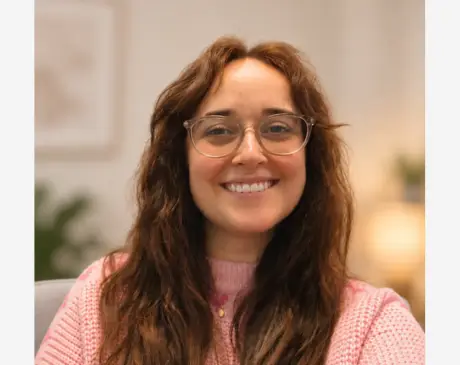
Ashley Regulski
ACMHC
Pleasant Grove · Orem · Virtual
Anxiety, panic & worry. Teens and adults
Meet Ashley →
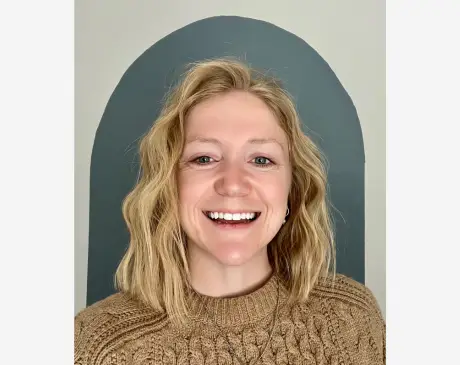
Celeste Webster
CSW
Orem · Virtual
Anxiety, panic & OCD. Ages 10+
Meet Celeste →

Sierra Livermore
AMFT
Orem · Virtual
Anxiety & panic, with couples and family support
Meet Sierra →

Ivy Christiansen
LMFT
Pleasant Grove · Virtual
Anxiety & panic attacks. Teens, women & families
Meet Ivy →

Alisha Delacruz
LCSW
Pleasant Grove · Virtual
Anxiety, trauma & relationship challenges
Meet Alisha →

Hannah Wolverton
LMFT
Orem · Virtual
Anxiety & trauma, including EMDR. Ages 14+
Meet Hannah →
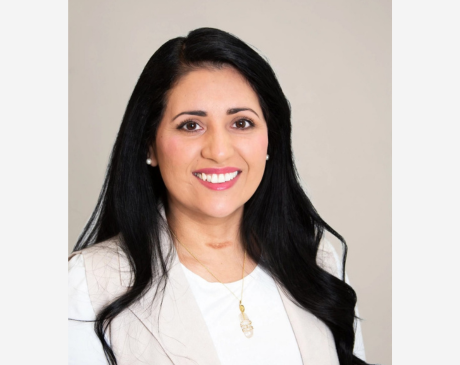
Maria Soberon
AMFT
Virtual
English / Spanish
Anxiety, trauma & mindfulness training. Adults 18+
Meet Maria →
Not sure who to choose? Call (801) 410-0542 or schedule online, and our team will help you find a good fit. See all therapist profiles →
Panic is one form of anxiety.
If worry, social anxiety, or constant tension are also part of your story, our anxiety therapy page explains how we help.
Insurance & Payment
Panic disorder and other anxiety disorders are recognized diagnoses, and most major insurance plans cover therapy for them, subject to your benefits. We accept most major plans, including Select Health, Blue Cross Blue Shield, UnitedHealthcare, Aetna, and others.
Our team will verify your benefits and talk through your options, including self-pay, before your first appointment. Check your coverage →
Frequently Asked Questions
What causes panic attacks?
There isn’t one cause. Panic can come from a mix of a sensitive stress response, ongoing stress, major life changes, health worries, past trauma, caffeine or other substances, or sometimes no clear trigger at all. What keeps panic going is often the fear of the sensations themselves.
How do I know if it’s a panic attack or something medical?
Panic symptoms overlap with heart, thyroid, and breathing conditions. If your symptoms are new, severe, or include chest pain, see a doctor or seek emergency care first. Once medical causes are ruled out, therapy can help with panic.
What should I do when a panic attack starts?
Remind yourself that it will peak and pass, slow your breathing with a longer exhale, and ground yourself by noticing what you can see, touch, and hear. If you’re driving, pull over safely. These are short-term tools. Therapy helps you address the cycle behind the attacks.
Can panic disorder be treated?
Yes. Panic disorder is highly treatable, and CBT has strong research support. Many people learn to stop fearing the sensations, and their attacks become less frequent and less intense. Your therapist will talk with you about what to expect.
How long does treatment take?
It depends on how long you’ve had panic, how much you avoid, and your goals. CBT for panic is structured and focused, so many people work toward specific goals over a set stretch of time. Your therapist will give you a realistic timeline after your first sessions.
Will I have to face the things that scare me?
Exposure is part of effective treatment, but it’s gradual, collaborative, and at your pace. You and your therapist decide together what to practice and when. You’re never forced to do anything you’re not ready for.
Do I need medication for panic attacks?
Not necessarily. Therapy alone works for many people, and some combine therapy with medication. Therapists don’t prescribe medication, but yours can help you understand your options and coordinate with your doctor or psychiatrist.
Can teens and children get help for panic attacks?
Yes. Several of our therapists work with children and teens, including Celeste (ages 10 and up), Ashley, and Ivy. Panic in young people often shows up as stomachaches, school avoidance, or fear of being away from home. Parents are involved in getting started.
Can panic attacks be treated online?
Yes. Online therapy works well for panic, and being at home can make early sessions feel safer. All of the therapists listed above offer secure, HIPAA-compliant telehealth therapy anywhere in Utah, and Maria Soberon sees clients online only. In-person sessions are available in Orem and Pleasant Grove.
Is therapy for panic disorder covered by insurance?
Usually, yes. Panic disorder and anxiety disorders are recognized diagnoses, and most major plans cover therapy for them, subject to your benefits. We accept most major insurance plans, and our team will verify your coverage before your first appointment. Verify your coverage here.
How do I choose a therapist?
Browse the profiles above and filter by location, or call us at (801) 410-0542 and our team will help match you with a therapist who works with panic and anxiety. If the first fit isn’t right, let us know and we’ll help you find a better one.
Ready to Feel Safe in Your Own Body Again?
Panic doesn’t have to run your life. Schedule an appointment in Orem, Pleasant Grove, or online.
Schedule Your AppointmentServing Utah County communities including:
Explore more: