
People-Pleasing & Boundaries Therapy in Utah County
Learn to say no without guilt, ask for what you need, and build relationships where you can be yourself. Licensed therapists in Orem, Pleasant Grove, and online.
- Teens & adults
- Most major insurance accepted
- In person or online
Does this sound familiar?
- “It’s easier if I just say yes.”
- “I don’t want to be a burden.”
- “What if they’re upset with me?”
- “Everyone else comes first.”
- “I feel guilty saying no.”
You’re not alone, and it’s something you can change.
Being Kind Isn’t the Same as Having No Limits
You’re the reliable one. The one who says yes, helps out, smooths things over, and keeps everyone comfortable. People count on you, and you take pride in being caring. But you may also feel tired, resentful, overextended, or unsure what you actually want.
People-pleasing is a learned pattern, and it usually starts for a reason. For many people it began as a way to feel safe, earn approval, or keep the peace at home. In Utah County, where service, family, and community are deeply valued, it can be especially hard to tell the difference between generosity and having no boundaries.
Boundaries aren’t walls. They’re the limits that let you care for others without losing yourself. Therapy helps you understand where your patterns come from, get clear on what you need, and practice saying it in ways that feel true to you and respectful to others.
People-pleasing is often less about kindness and more about fear of what might happen if you say no.
What People-Pleasing Can Look Like
It can be hard to see from the inside, especially when it looks like being helpful. You may recognize yourself in a few of these.
Saying yes when you mean no
You agree first and figure out how to cope later, even when your plate is already full.
Guilt about putting yourself first
Rest, time alone, or a “no” can feel selfish, even when you know it’s reasonable.
Trouble asking for help or stating needs
You’d rather handle it alone than risk inconveniencing someone.
Fear of conflict & disappointing people
You go along to keep the peace and avoid the discomfort of disagreement.
Over-apologizing
Sorry becomes a reflex, even when you haven’t done anything wrong.
Taking responsibility for others’ feelings
If someone is upset, you feel it’s your job to fix it.
Quiet resentment
You say yes on the outside while frustration builds on the inside.
Not knowing what you want
After years of tuning in to everyone else, your own preferences can feel hard to find.
Feeling drained & overextended
Time with people leaves you exhausted, and burnout is never far away.
Where It Shows Up
People-pleasing tends to follow you into every relationship. We help with all of them.
Family & in-laws
Expectations from parents, siblings, and extended family can be the hardest to say no to. We help you set limits with love and handle the pushback.
Friends & community
You’re the one who organizes, volunteers, and shows up. We help you stay generous without giving until you’re empty.
Work
Taking on extra tasks, avoiding disagreement, and saying yes to everything can stall your career and drain your energy. We help you advocate for yourself.
Dating & marriage
Losing yourself in a relationship, or avoiding hard conversations, can build distance over time. Couples counseling and individual therapy can help you speak up and stay connected.
Parenting
Parenting can bring endless requests and constant guilt. We help you set limits, model healthy boundaries for your kids, and stop trying to do it all.
Faith & community expectations
Service and generosity are values worth keeping. We help you give from choice instead of obligation or fear. We respect your beliefs, and some of our therapists offer faith-based counseling.
How Therapy Helps
Our therapists use evidence-based approaches to help you set boundaries and stop putting yourself last. The mix depends on you and on your therapist’s training.
Assertive communication
Practice saying no, asking for what you need, and expressing disagreement in ways that feel true to you and respectful to others, including role-play and word-for-word scripts.
Cognitive Behavioral Therapy (CBT)
Challenge thoughts like “If I say no, I’m selfish,” and replace them with more balanced beliefs. Learn about CBT.
Acceptance & Commitment Therapy (ACT)
Make room for guilt and discomfort while you act on your values, instead of letting guilt make your decisions. Learn about ACT.
DBT interpersonal skills
Build skills for asking for what you need, saying no, and keeping your relationships and self-respect at the same time. Learn about DBT.
Attachment & family systems
Understand how early relationships and family roles shaped your patterns, so you can change them. Learn about attachment-based therapy.
Parts work (IFS)
Some of our therapists use Internal Family Systems to get to know the part of you that works so hard to keep everyone happy, and help it relax.
What Working Together Looks Like
Every person’s pace is different, but therapy for people-pleasing often follows this path.
Start with your story
Your therapist listens to where people-pleasing shows up, what it costs you, and what you want to be different.
Understand your patterns
Together you explore where these patterns began and what they’ve been protecting you from.
Get clear on your values and limits
You identify what you need, what you’re willing to give, and where your limits are.
Practice, starting small
You rehearse boundaries in session, try them in low-stakes situations, and learn to handle guilt and pushback.
Build self-trust and stronger relationships
As you speak up more, relationships tend to become more honest, and you feel more like yourself.
Meet Therapists Who Work With Boundaries & People-Pleasing
These therapists list self-worth, boundaries, codependency, or communication among their areas of focus. Choose by location, or call us and we’ll help match you.
8 therapists

Hannah Wolverton
LMFT
Orem · Virtual
People-pleasing, boundaries, self-worth & shame
Meet Hannah →

Kelsey Tuia
AMFT
Orem · Virtual
Boundaries, co-dependency, shame & self-worth
Meet Kelsey →
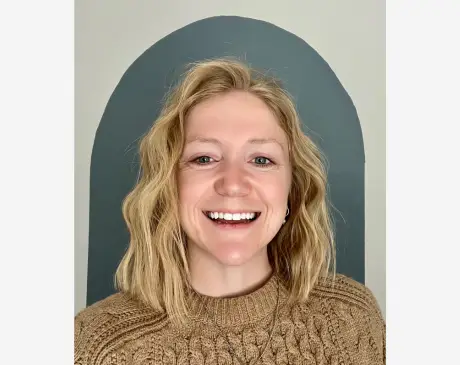
Celeste Webster
CSW
Orem · Virtual
Codependency, self-esteem & identity
Meet Celeste →

Michaella DiRegolo
AMFT
Pleasant Grove · Virtual
Self-esteem, communication & family conflict. Faith-based counseling available
Meet Michaella →

Sierra Livermore
AMFT
Orem · Virtual
Self-esteem, communication & conflict resolution
Meet Sierra →

Ivy Christiansen
LMFT
Pleasant Grove · Virtual
Teens & families: self-esteem, communication & boundary-setting
Meet Ivy →
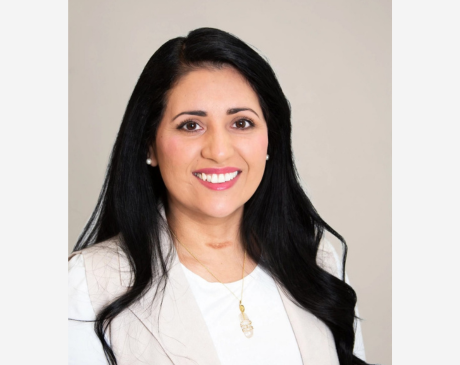
Maria Soberon
AMFT
Virtual
English / Spanish
Self-esteem, family systems & communication. Adults 18+
Meet Maria →

Ashley Regulski
ACMHC
Pleasant Grove · Orem · Virtual
Self-esteem, relationships, communication & family dynamics
Meet Ashley →
Not sure who to choose? Call (801) 410-0542 or schedule online, and our team will help you find a good fit. See all therapist profiles →
Want to learn more about boundaries?
Our guide explains what healthy boundaries look like and how to start setting them.
Insurance & Payment
We accept most major insurance plans, including Select Health, Blue Cross Blue Shield, UnitedHealthcare, Aetna, and others. People-pleasing often comes with anxiety, depression, burnout, or relationship distress, and insurance typically covers therapy for those concerns. Coverage varies by plan and by the reason for care.
Our team will verify your benefits and talk through your options, including self-pay, before your first appointment. Check your coverage →
Frequently Asked Questions
Is people-pleasing a mental health condition?
People-pleasing isn’t a diagnosis on its own, but it’s often connected to anxiety, low self-esteem, past relationships, or trauma. You don’t need a diagnosis to get help. If it’s wearing you down or straining your relationships, therapy can help.
Why do I feel so guilty when I say no?
Guilt often shows up because saying no feels risky, as if you might disappoint someone or lose their approval. Guilt isn’t always a sign you’ve done something wrong. Therapy helps you sort out when guilt is useful and when it’s an old habit.
Aren’t boundaries selfish?
No. Boundaries are limits that let you care for others without losing yourself. They’re how you keep giving without burning out. Read more in our guide to setting boundaries for better mental health.
Will setting boundaries hurt my relationships?
Some people may push back at first, especially if they’re used to you saying yes. Over time, many relationships become more honest and less resentful. Your therapist will help you prepare for pushback and decide which changes you’re ready to make.
Is people-pleasing the same as codependency?
They overlap. People-pleasing centers on gaining approval and avoiding conflict. Codependency usually involves losing your sense of self by taking too much responsibility for someone else’s needs or behavior. Several of our therapists work with both.
Can my partner or family be part of therapy?
Yes, when it helps. Many of our therapists offer couples counseling and family therapy, and individual work often makes those sessions more effective.
Will my therapist respect my faith and values?
Yes. You’re welcome to bring your faith and values into therapy. Our therapists respect them, and some offer faith-based counseling. The goal is to keep what matters to you while easing guilt and fear.
How do I choose a therapist?
Browse the profiles above and filter by location, or call us at (801) 410-0542 and our team will help match you. If the first fit isn’t right, let us know and we’ll help you find a better one.
Do you offer online therapy?
Yes. All of the therapists listed above offer secure, HIPAA-compliant telehealth therapy anywhere in Utah, and Maria Soberon sees clients online only. In-person sessions are available in Orem and Pleasant Grove.
Is therapy for people-pleasing covered by insurance?
Insurance typically covers therapy for conditions like anxiety, depression, and relationship distress, which often go hand in hand with people-pleasing. People-pleasing alone isn’t a diagnosis, so coverage depends on your plan and the reason for care. We accept most major insurance plans, and our team will verify your benefits and talk through options, including self-pay, before your first appointment. Verify your coverage here.
Ready to Put Yourself on the List?
You can care about others and care about yourself. Schedule an appointment in Orem, Pleasant Grove, or online.
Schedule Your AppointmentServing Utah County communities including:
Explore more: