
Religious Trauma Therapy in Utah County
Heal from religious harm at your own pace, with therapists who won’t tell you what to believe. Confidential support in Orem, Pleasant Grove, and online.
- No agenda about your beliefs
- Confidential
- In person or online
Does this sound familiar?
- “I feel guilty for doubting.”
- “I’m afraid I’ll be punished.”
- “I don’t trust my own judgment.”
- “I can’t talk about this with anyone.”
- “I don’t know who I am without it.”
You’re not alone, and healing is possible.
Religious Harm Is Real, and So Is Healing
For many people, religion is a source of comfort, community, and meaning. For others, some of their religious experiences caused real harm: teachings built on fear or shame, pressure to silence doubts or parts of themselves, control by leaders or family, or being cut off from community when they questioned.
Religious trauma is the psychological harm that can follow. It isn’t a formal diagnosis, and it isn’t a judgment about whether any religion is good or bad. It’s about your experience and how it’s affecting you now: anxiety, guilt, trouble trusting yourself, or feeling on edge around reminders of the past.
You can heal from religious trauma whether you have left your faith, stepped back, stayed, or haven’t decided. At Willow Therapy, our therapists have no agenda about what you believe. They are familiar with the cultural context of Utah County, including LDS and other faith communities. Their job is to help you feel safe, understood, and free to find your own way.
You can heal from religious harm without giving up what still matters to you, and without deciding anything before you’re ready.
If you are in crisis or thinking about harming yourself, call or text 988. If you are in immediate danger, call 911. This page is for information and support and is not a substitute for emergency care.
What Religious Trauma Can Look Like
It shows up differently for everyone, and it can appear years after the experiences themselves. You may recognize yourself in a few of these.
Intense guilt & shame
Feeling “bad,” unworthy, or in the wrong, even when you haven’t done anything wrong.
Fear of punishment or judgment
Dread about consequences, in this life or beyond, that doesn’t go away with logic.
Difficulty trusting yourself
After being taught to distrust your own thoughts and feelings, everyday decisions can feel impossible.
Anxiety & feeling on edge
Scanning for disapproval, or feeling tense around reminders like certain songs, phrases, or places.
Unwanted memories & strong reactions
Intrusive memories or reactions to reminders that feel out of proportion to the moment.
Uncertainty about identity & purpose
Wondering who you are, what you value, and how to find meaning outside the framework you were given.
Shame around your body, sexuality, or relationships
Messages about purity, roles, or worth that still shape how you feel about yourself.
Isolation & loss of community
Feeling cut off from people, traditions, or a sense of belonging that once mattered.
Anger, grief & betrayal
Mixed feelings toward people, leaders, or institutions, along with sadness for what was lost.
Where Religious Trauma Can Come From
It’s not about faith itself. It’s about specific experiences that caused harm.
Fear- or shame-based teachings
Messages that stressed punishment, unworthiness, or constant self-monitoring can leave a lasting imprint, especially in childhood.
Spiritual abuse or coercive control
Manipulation, pressure, or punishment in the name of religion by leaders, family members, or communities.
Suppression of doubt or identity
Being discouraged from asking questions, thinking independently, or being open about who you are.
Purity culture & rigid roles
Strict expectations about the body, sexuality, gender, or family roles, enforced with shame.
Rejection or exclusion
Being shunned, pressured, or pushed out of a community when you questioned, changed, or struggled.
Betrayal by leaders or institutions
Learning that people or systems you trusted failed you or harmed you or others.
Religious Trauma and Faith Transitions
They often overlap, but they aren’t the same thing. A therapist can help you sort out which describes your experience.
Religious trauma
Centers on harm and its effects: shame, fear, anxiety, and trouble trusting yourself. You may still be practicing, stepped back, or left. What matters is how those experiences are affecting you today.
Faith transition
Centers on change: shifts in belief, identity, or community, often with grief, uncertainty, and family stress. It can involve trauma, but doesn’t always. Learn about faith transition therapy.
How Therapy Helps
Our therapists use evidence-based, trauma-informed approaches. The mix depends on you and on your therapist’s training.
Trauma-informed, paced care
Your therapist prioritizes safety and works at your pace, without pushing you to relive anything before you’re ready. Learn about trauma-focused therapy.
EMDR therapy
For painful memories that still feel present, some of our therapists use EMDR to help your brain process them. Learn about EMDR.
Acceptance & Commitment Therapy (ACT)
Hold uncertainty and hard emotions while you move toward values that are truly yours. Learn about ACT.
Narrative therapy
Separate who you are from the story you were handed, and write a self-authored account of your own life. Learn about narrative therapy.
Grief & identity work
Mourn what was lost, whether that’s community, certainty, or a shared worldview, and build a sense of self that feels like yours. Learn about grief counseling.
Parts work (IFS)
Some of our therapists use Internal Family Systems to understand the inner critic and the parts of you that learned to stay silent or afraid.
What to Expect
A safe space matters most. Here is what you can count on.
No agenda about your beliefs
Your therapist won’t encourage you to leave your faith, or to stay. Whatever you believe and whatever you decide, you’ll be met with respect.
You set the pace
Healing from trauma doesn’t require retelling everything. You and your therapist decide together what to work on and when.
Confidential
What you share stays private. Nothing is shared with family, church leaders, or anyone else without your written consent, except where the law requires.
Private options
Many clients choose telehealth so they can attend from home without being seen entering an office. All of our therapists listed here offer it.
What Working Together Looks Like
Every person’s pace is different, but therapy for religious trauma often follows this path.
Start where you are
Your therapist listens to your experience and what you hope will change, without judgment and without a set outcome in mind.
Build safety and stability
You learn skills for steadying your body and mind when guilt, fear, or reminders show up.
Make sense of what happened
Together you explore how your religious experiences shaped your beliefs about yourself, and which of those beliefs still serve you.
Process and heal
You work through painful memories and feelings at a pace you can handle, using approaches matched to your needs.
Rebuild trust in yourself and your relationships
You strengthen your own voice, values, and connections, whatever role faith plays in your life.
Meet Therapists Who Can Help
These therapists work with the grief, anxiety, trauma, and identity questions that often come with religious harm and faith change. All of them offer online sessions. Choose by location, or call us and we’ll help match you. See our full faith transition team.
8 therapists

Hannah Wolverton
LMFT
Orem · Virtual
Trauma therapy, EMDR & IFS. Faith transitions and family relationships
Meet Hannah →

Kelsey Tuia
AMFT
Orem · Virtual
Trauma-informed, narrative & IFS approach to identity and relational upheaval
Meet Kelsey →

Jeanna Cunningham
PhD, CMHC
Pleasant Grove · Virtual
Culturally fluent in Utah’s LDS context. Grief, anxiety & identity
Meet Jeanna →

Samuel Major
PhD, LMFT
Pleasant Grove · Virtual
Doctoral-level depth for complex faith transitions, family systems & identity
Meet Samuel →

Ivy Christiansen
LMFT
Pleasant Grove · Virtual
Trauma-focused care, with family and mixed-faith relationship dimensions
Meet Ivy →

Alisha Delacruz
LCSW
Pleasant Grove · Virtual
Warm, non-judgmental care for anxiety, trauma & faith transitions
Meet Alisha →
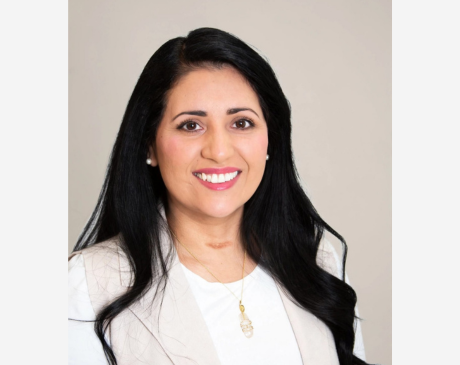
Maria Soberon
AMFT
Virtual
English / Spanish
EMDR-informed, trauma-informed & narrative approach. Virtual only
Meet Maria →
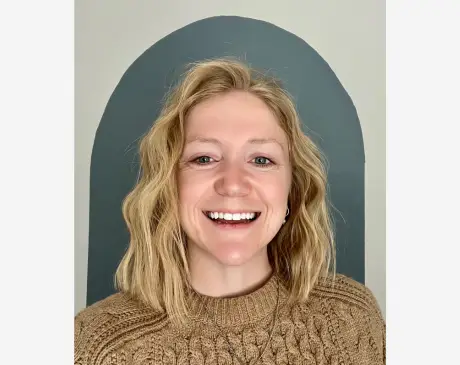
Celeste Webster
CSW
Orem · Virtual
Trauma, anxiety & identity questions. Person-centered, ACT-informed
Meet Celeste →
Not sure who to choose? Call (801) 410-0542 or schedule online, and our team will help you find a good fit. See all therapist profiles →
Questioning, stepping back, or leaving your faith?
Our faith transition therapy page explains how we support identity, family, and community changes, without any agenda about where you end up.
Insurance & Payment
We accept most major insurance plans, including Select Health, Blue Cross Blue Shield, UnitedHealthcare, Aetna, and others. Therapy for religious trauma is typically billed as standard outpatient mental health care for anxiety, depression, trauma-related symptoms, or adjustment concerns. Coverage varies by plan.
Our team will verify your benefits and talk through your options, including self-pay, before your first appointment. Check your coverage →
Frequently Asked Questions
What is religious trauma?
Religious trauma is the psychological harm that can result from harmful religious experiences, such as shame- or fear-based teachings, spiritual abuse, coercive control, or being pressured to suppress doubt or identity. It is sometimes called Religious Trauma Syndrome. It isn’t a formal diagnosis, but its effects, like anxiety, shame, and trouble trusting yourself, are real and treatable.
How do I know if I have religious trauma?
Common signs include intense guilt or shame, fear of punishment, anxiety around religious reminders, trouble trusting your own judgment, and feeling lost or isolated. If your religious experiences still weigh heavily on you, that’s reason enough to talk with a therapist. You don’t need a label first.
Do I have to leave my faith to heal?
No. You can heal from religious harm whether you leave, step back, stay, or haven’t decided. Some people keep their faith and heal from specific harmful experiences within it. Your therapist will support your path and won’t push you in any direction.
Will my therapist try to change my beliefs?
No. Our therapists have no agenda about your beliefs or religious affiliation. If you’d like faith included in therapy, some therapists offer faith-based counseling. If you’d prefer a secular space, see our non-religious therapy page.
Is religious trauma the same as a faith transition?
They overlap but aren’t the same. Religious trauma is about harm and its effects. A faith transition is a change in your beliefs, identity, or community, and it can involve grief, anxiety, and sometimes trauma. Many people experience both. Learn more about our faith transition therapy.
What is scrupulosity?
Scrupulosity is obsessive guilt or fear about doing something morally or religiously wrong, often with repetitive rituals or reassurance-seeking. It can be a form of OCD, and it’s treatable. Your therapist can help determine whether it’s part of what you’re experiencing.
Is therapy confidential from my family and church?
Yes. Everything you share is protected, and nothing is shared with family members, church leaders, or anyone else without your explicit written consent, except where the law requires. If privacy is a concern, telehealth lets you attend from a place you choose.
Will I have to relive my experiences?
No. Trauma-informed therapy is paced, and you stay in control. Early work focuses on safety, understanding, and coping skills. If and when you process painful memories, you and your therapist decide together how and when.
Is therapy for religious trauma covered by insurance?
Usually. Therapy for religious trauma is billed as standard outpatient mental health care, typically for anxiety, depression, trauma-related symptoms, or adjustment concerns, and most major plans cover it, subject to your benefits. We accept most major insurance plans, and our team will verify your coverage before your first appointment. Verify your coverage here.
How do I choose a therapist?
Browse the profiles above and filter by location, or call us at (801) 410-0542 and our team will help match you. Let us know any preferences, like a therapist’s gender or a virtual-only option. If the first fit isn’t right, we’ll help you find a better one.
Ready to Heal at Your Own Pace?
You don’t have to have it figured out to start. Schedule a confidential appointment in Orem, Pleasant Grove, or online.
Schedule Your AppointmentServing Utah County communities including:
Explore more: