
Stacked wooden cubes showing different emotional faces, symbolizing a range of feelings often explored in therapy.

Complete Guide to Therapy Credentials: LCSW, LMFT, PhD, CMHC Explained

Understanding LCSW, LMFT, PhD, CMHC, and Other Mental Health Professional Credentials

Complete Guide to Therapy Credentials Explained

When searching for a therapist, you’ll encounter a bewildering array of letters after their names: LCSW, LMFT, PhD, PsyD, CMHC, ACMHC, and more. Each set of credentials represents different training, education, licensing requirements, and scope of practice. Understanding what these credentials mean is essential for making an informed decision about your mental health care.

This comprehensive guide breaks down the major therapy credentials, explains what each means, details the training required, and helps you understand which credential is right for your needs.

Why Credentials Matter

Mental health credentials serve several critical functions:

  • Verify Training – Credentials confirm that a therapist has completed required education and supervised clinical hours
  • Ensure Licensure – Licensed therapists are regulated by state boards and held to ethical standards
  • Define Scope of Practice – Credentials determine what treatment a professional can legally provide
  • Protect Consumers – Licensing requirements create accountability and grounds for complaints
  • Demonstrate Expertise – Specialized credentials indicate training in specific therapeutic areas

Key principle: In most states, only licensed mental health professionals can legally call themselves therapists or counselors and charge for therapy services. Licensed credentials include LCSW, LMFT, LMHC/CMHC, PhD, PsyD, and MD/DO psychiatrists.

Licensed Mental Health Professional Credentials

These are the primary credentials you’ll see for licensed therapists. All require state licensure and ongoing education.

LCSW

Licensed Clinical Social Worker

Education Required
Master’s degree in Social Work (MSW) from an accredited program
Supervised Hours
2,000-4,000 hours of supervised clinical practice (varies by state)
Exam
ASWB (Association of Social Work Boards) Clinical exam
Scope of Practice
Individual, family, and group therapy; case management; psychosocial assessment
Unique Strengths
  • Strong training in systems and environmental factors
  • Expertise in connecting clients to resources
  • Understanding of social justice issues
  • Can conduct comprehensive psychosocial assessments

LMFT

Licensed Marriage and Family Therapist

Education Required
Master’s degree in Marriage and Family Therapy from an accredited program
Supervised Hours
1,000-4,000 hours of supervised clinical practice (varies by state)
Exam
AAMFT (American Association for Marriage and Family Therapy) exam
Scope of Practice
Individual, couples, family, and group therapy; relationship and systemic issues
Unique Strengths
  • Expert in couples and relationship dynamics
  • Trained in systems-based thinking
  • Specialization in family patterns and dynamics
  • Understanding of how relationships affect mental health

LMHC/CMHC

Licensed Mental Health Counselor / Clinical Mental Health Counselor

Education Required
Master’s degree in Counseling or Clinical Mental Health Counseling
Supervised Hours
2,000-4,000 hours of supervised clinical practice (varies by state)
Exam
National Counselor Examination (NCE) or state-specific exam
Scope of Practice
Individual, group, and family counseling; career counseling; assessment and diagnosis
Unique Strengths
  • Broad-based counseling training across diverse populations
  • Career and vocational counseling expertise
  • Strength-based and wellness approach
  • Community-focused perspective

PhD

Doctor of Philosophy in Psychology

Education Required
Doctoral degree (typically 5-7 years) focused on research and clinical psychology
Training Components
Coursework, dissertation research, supervised clinical experience (2,000+ hours)
Licensure
Licensing exam required; must be “Psychologist” if using that title
Scope of Practice
Psychotherapy, psychological testing/assessment, research, often can prescribe in some states
Unique Strengths
  • Highest level of training in psychological theory and research
  • Advanced assessment and diagnostic expertise
  • Knowledge of latest evidence-based treatments
  • Can conduct formal psychological testing

PsyD

Doctor of Psychology

Education Required
Doctoral degree (typically 4-6 years) focused on clinical practice rather than research
Training Components
Coursework, supervised clinical practice (2,000+ hours), dissertation focused on practice
Licensure
Licensing exam required; can use title “Psychologist”
Scope of Practice
Psychotherapy, psychological testing, assessment, often can prescribe in some states
Key Difference from PhD
More focused on clinical practice; less emphasis on research (though research-focused)

MD/DO

Psychiatrist (Medical Doctor or Doctor of Osteopathic Medicine)

Education Required
Medical school (4 years) + psychiatry residency (4 years)
Scope of Practice
Diagnose mental illness, prescribe medications, medical management of psychiatric conditions
Note on Therapy
Some provide therapy, but primary focus is medication management and medical evaluation
Unique Role
  • Can prescribe psychiatric medications
  • Medical expertise in mental health conditions
  • Can order medical tests and evaluations
  • Often works in conjunction with therapists

Associate & Trainee Credentials (In-Training/Pre-Licensed)

These credentials indicate the person is a licensed mental health professional, but has not yet met full licensure requirements. They must work under supervision and cannot practice independently in most states. They often have similar scope of practice to licensed professionals but have not yet completed all requirements.

AMFT

Associate Marriage and Family Therapist

Master’s graduate in MFT who is accumulating supervised hours toward LMFT licensure. Training under supervision, working toward the required hours to become licensed.

ACMHC

Associate Clinical Mental Health Counselor

Master’s graduate in counseling working toward LMHC/CMHC licensure. Providing counseling under supervision while completing clinical hour requirements.

CSW

Certified Social Worker

Master’s graduate in social work who holds a bachelor’s degree plus graduate credential. Some states have intermediate credential before LCSW licensure.

CMHC

Certified Mental Health Counselor

In some states, a credential earned before full LMHC licensure. Requirements vary significantly by state; some states don’t have this credential.

PhD/PsyD Candidate

Doctoral Student in Psychology

Student pursuing doctorate who is providing therapy under supervision as part of doctoral training. Must complete degree and pass licensing exam before independent practice.

Pre-licensed Status

Various “Associate” Titles

Different states use different terminology for trainees. All require supervision and cannot practice independently. Often referred to as “under supervision” therapists.

Important Note: Working with an associate or trainee can be more affordable, but they must be supervised by a licensed professional. Ask about their supervisor’s credentials and the supervision structure. Many clients benefit from this more economical option while still receiving quality care.

Credential Comparison at a Glance

Credential Degree Required Supervised Hours Licensed? Key Specialization
LCSW Master’s (MSW) 2,000-4,000 Yes Systems, resources, psychosocial assessment
LMFT Master’s (MFT) 1,000-4,000 Yes Couples, families, relationships
LMHC/CMHC Master’s (Counseling) 2,000-4,000 Yes Individual counseling, wellness, career
PhD (Psychology) Doctoral (5-7 years) 2,000+ Yes Research, testing, comprehensive assessment
PsyD Doctoral (4-6 years) 2,000+ Yes Clinical practice, diagnosis, treatment
MD/Psychiatrist Medical School + Residency Variable Yes Medication, medical management
AMFT, ACMHC, CSW Master’s (variable) In Progress Not yet Same as licensed version (in training)

How to Choose the Right Credential for Your Needs

All licensed credentials are valid and effective. The “best” credential for you depends on your specific needs and preferences:

Are you seeking couples or family therapy?Consider an LMFT – their specialized training in relationship dynamics makes them particularly skilled with couples and family issues. However, many other credentials work effectively with couples too.

Do you have concerns about career, wellness, or broader life issues?An LMHC/CMHC often brings a holistic, wellness-based approach. They’re trained in career counseling and life-span development.

Do you need comprehensive psychological assessment or testing?You may want a PhD or PsyD Psychologist who has extensive training in psychological testing and assessment. They can provide detailed diagnostic clarity.

Do you need medication management alongside therapy?You’ll need a Psychiatrist (MD/DO) or a licensed therapist who works in collaboration with a prescriber. Psychiatrists focus primarily on medication management.

Are you dealing with complex trauma or have multiple diagnoses?A PhD or PsyD Psychologist with trauma specialization, or any licensed therapist with trauma training, would be appropriate. Training matters more than credentials here.

Are you looking for a more affordable option?An AMFT, ACMHC, or CSW (pre-licensed) often charges less than fully licensed professionals and receives high-quality supervision. This can be a good option if budget is a concern.

What matters most is…THE PERSON, NOT THE CREDENTIALResearch consistently shows that the quality of the therapeutic relationship and the therapist’s skill matter more than their specific credential. An excellent LMFT may be better for you than an adequate PhD. Consider meeting with therapists to find the best fit.

Bottom Line: All licensed therapists have completed rigorous training and must adhere to ethical standards. The credential tells you about their training focus (family systems, counseling, clinical psychology, etc.), but the individual therapist’s approach, experience, and fit with your needs matter most. Don’t get too caught up in credentials—focus on finding a licensed professional who understands your needs and with whom you feel comfortable.

Find the Right Therapist for You

Now that you understand therapy credentials, the next step is finding the right therapist. Whether you’re seeking an LCSW, LMFT, psychologist, or counselor, the most important factor is finding a licensed professional you trust and with whom you have good rapport.


Therapy for men

Cognitive Behavioral Therapy for Anxiety: How CBT Works

Anxiety can feel overwhelming. Racing thoughts, constant worry, physical tension, and fear about the future can make even everyday tasks exhausting. Fortunately, therapy can help—and one of the most effective, research-backed treatments for anxiety is Cognitive Behavioral Therapy (CBT).

At Willow Therapy Utah, many of our therapists use CBT to help clients understand anxious thought patterns, develop healthier coping skills, and regain confidence in daily life.

If you’ve heard of CBT but aren’t quite sure what it is or how it works, this guide will walk you through the basics.


What Is Cognitive Behavioral Therapy (CBT)?

Cognitive Behavioral Therapy (CBT) is a structured, evidence-based form of therapy that helps people identify and change unhelpful thought patterns and behaviors that contribute to emotional distress.

The core idea behind CBT is simple:

Our thoughts, feelings, and behaviors are connected.

When anxiety affects the way we think, it often changes how we feel and behave too. CBT helps interrupt those patterns so you can respond to stress in healthier, more balanced ways.

Learn more about CBT here:
Cognitive Behavioral Therapy (CBT)


How Anxiety Affects Thoughts and Behavior

Anxiety often creates automatic negative thoughts such as:

  • “Something bad is going to happen.”
  • “I’m going to fail.”
  • “People are judging me.”
  • “I can’t handle this.”

These thoughts can lead to:

  • Increased stress and panic
  • Avoidance behaviors
  • Trouble sleeping
  • Physical symptoms like rapid heartbeat or muscle tension
  • Difficulty concentrating

Over time, anxiety can begin shaping daily routines, relationships, and self-esteem.

This is where CBT becomes incredibly helpful.


How CBT Works for Anxiety

CBT helps clients recognize patterns between:

  1. Thoughts
  2. Emotions
  3. Behaviors

Instead of simply talking about anxiety, CBT teaches practical strategies to actively manage it.

Step 1: Identifying Thought Patterns

The first step in CBT is learning to notice anxious thoughts. Many people don’t realize how automatic or repetitive these patterns have become.

A therapist may help you identify:

  • Catastrophizing (“Everything will go wrong”)
  • Black-and-white thinking
  • Overgeneralizing
  • Self-criticism
  • Mind-reading assumptions

By becoming aware of these patterns, you gain more control over how you respond to them.


Step 2: Challenging Unhelpful Thoughts

Once thought patterns are identified, CBT teaches you how to challenge them.

For example:

  • Is this thought completely true?
  • What evidence supports or contradicts it?
  • Am I assuming the worst-case scenario?
  • What would I tell a friend in this situation?

Over time, clients learn how to replace distorted thoughts with more realistic and balanced perspectives.


Step 3: Changing Behavioral Patterns

Anxiety often leads people to avoid situations that feel uncomfortable or uncertain. While avoidance may bring temporary relief, it can actually strengthen anxiety long-term.

CBT helps clients gradually:

  • Face feared situations
  • Practice new coping skills
  • Build confidence
  • Reduce avoidance behaviors

This process helps retrain the brain and nervous system to feel safer and more capable.


Common Anxiety Disorders Treated with CBT

CBT is highly effective for many different forms of anxiety, including:

Generalized Anxiety Disorder (GAD)

Constant worry about daily life, health, work, or relationships.

Social Anxiety

Fear of embarrassment, judgment, or social situations.

Panic Attacks and Panic Disorder

Sudden episodes of intense fear or physical symptoms.

OCD and Intrusive Thoughts

Obsessive fears and repetitive behaviors.

PTSD and Trauma-Related Anxiety

Anxiety connected to traumatic experiences.

Learn more here:
Anxiety Therapy in Utah
Trauma-Focused Therapy
PTSD Therapy Near Me


CBT Skills You May Learn in Therapy

CBT is very practical and skills-focused. Depending on your goals, therapy may include tools such as:

Cognitive Restructuring

Learning to challenge anxious thinking patterns.

Relaxation Techniques

Breathing exercises, grounding skills, and mindfulness strategies.

Exposure Exercises

Gradually facing feared situations in a manageable way.

Journaling and Thought Tracking

Identifying triggers and recognizing patterns.

Behavioral Activation

Building healthy routines and reducing avoidance.

Many clients appreciate CBT because it provides concrete tools they can use outside the therapy room.


CBT Can Be Combined with Other Therapy Approaches

While CBT is powerful on its own, therapists often integrate it with other approaches depending on the client’s needs.

At Willow Therapy Utah, therapists may combine CBT with:

This creates a personalized treatment approach that fits each client’s unique experiences and goals.


Is CBT Effective?

CBT is one of the most researched and evidence-supported treatments for anxiety disorders. Studies consistently show it can:

  • Reduce anxiety symptoms
  • Improve emotional regulation
  • Increase confidence and resilience
  • Help prevent relapse over time

According to the American Psychological Association, CBT is considered a frontline treatment for many anxiety disorders.
External resource: https://www.apa.org


What to Expect During CBT Sessions

CBT sessions are collaborative and goal-oriented. Your therapist won’t simply give advice—they’ll work with you to better understand patterns and practice new ways of thinking and responding.

Sessions may include:

  • Talking through current stressors
  • Identifying thought patterns
  • Practicing coping techniques
  • Setting goals between sessions

You can also learn more about the therapy process here:
How Counseling Works
What Happens in a Typical Therapy Session


Anxiety Treatment at Willow Therapy Utah

At Willow Therapy Utah, our therapists help clients build practical tools for managing anxiety while creating a safe and supportive environment for growth.

We offer:

  • In-person therapy in Utah County
  • Online therapy across Utah
  • Individual, couples, teen, and family counseling
  • Insurance-friendly therapy options

Explore our services here:
Therapy and Counseling Services
Telehealth Therapy in Utah
Our Therapists


Take the First Step Toward Managing Anxiety

Anxiety can make life feel smaller—but it doesn’t have to stay that way. CBT provides practical tools to help you understand your thoughts, calm your nervous system, and feel more confident moving forward.

If you’re ready to begin:
Schedule an Appointment

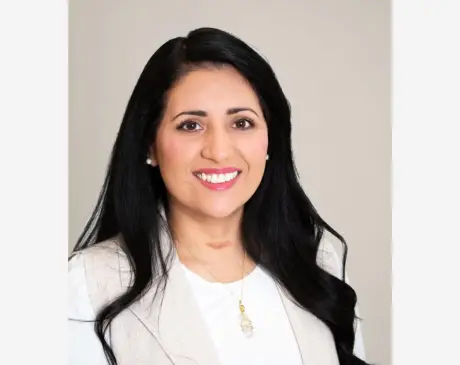
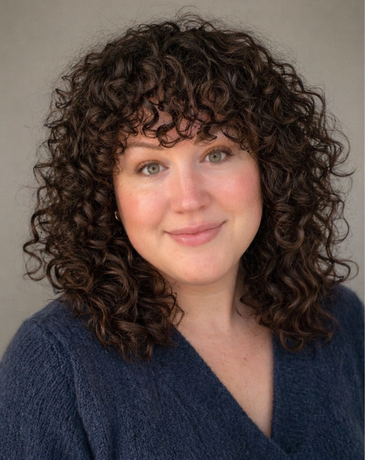
Picture of Jeanna Cunningham, CMHC Clinical Mental Health Counselor (CMHC) at Willow therapy.

PhD Psychologist Pleasant Grove: Dr. Jeanna Cunningham Earns Doctorate

🎓 Celebrating Dr. Jeanna Cunningham! 🎓

Congratulations on Earning Your PhD in Psychology

We are thrilled to announce that Jeanna Cunningham has officially earned her PhD in Psychology! This incredible achievement represents years of dedication, research, and unwavering commitment to advancing the field of mental health.

Jeanna Cunningham, PhD, CMHC

Dr. Cunningham now brings the highest level of academic training and clinical expertise to her work at Willow Therapy Services, enhancing the quality of care we provide to individuals, couples, and families throughout Utah County.

A Significant Academic Achievement

What This Means

Earning a PhD in Psychology is the pinnacle of academic achievement in the mental health field. This doctoral degree represents:

  • Advanced Research Training – Extensive study in psychological research, theory, and evidence-based practice
  • Clinical Expertise – Rigorous training in assessment, diagnosis, and treatment of complex mental health conditions
  • Scholarly Contribution – Original research that contributes new knowledge to the field of psychology
  • Professional Excellence – Meeting the highest standards of clinical competence and ethical practice
  • Lifelong Commitment – Years of dedicated study beyond master’s-level training to advance mental health care

Dr. Cunningham’s PhD in Psychology, combined with her CMHC (Clinical Mental Health Counselor) licensure, positions her as a highly qualified expert in providing comprehensive mental health services. This dual credential represents both deep academic knowledge and practical clinical expertise.

How This Benefits Our Clients

Dr. Cunningham’s PhD brings enhanced expertise and evidence-based approaches to every client interaction:

📚

Research-Based Treatment

PhD training ensures all therapeutic approaches are grounded in the latest psychological research and proven clinical effectiveness, not just tradition or anecdote.

🧠

Deeper Clinical Insight

Doctoral-level training provides advanced understanding of psychological processes, enabling more precise diagnosis and tailored treatment planning.

🎯

Complex Case Expertise

PhD psychologists are uniquely trained to handle complex, multi-layered mental health challenges with comprehensive, integrated approaches.

⚕️

Evidence-Based Innovation

Doctoral training emphasizes staying current with emerging research, ensuring clients benefit from the most effective, up-to-date therapeutic techniques.

💎

Highest Professional Standards

PhD credentials represent the highest level of professional training, ethical practice, and commitment to client welfare in the mental health field.

🌱

Holistic Understanding

Comprehensive psychological training enables Dr. Cunningham to address mental health from biological, psychological, and social perspectives.

Dr. Jeanna Cunningham’s Continued Excellence

Dr. Cunningham has been an integral part of Willow Therapy Services, and her PhD achievement further solidifies her role as a leading mental health professional in Utah County. She continues to provide comprehensive therapy services including:

Services Provided

Areas of Clinical Focus

Location & Access

Dr. Cunningham provides therapy at our Pleasant Grove office and via virtual therapy throughout Utah.

Dr. Jeanna Cunningham PhD CMHC therapist Pleasant Grove celebrating PhD achievement

A Message of Congratulations

“Dr. Cunningham’s achievement of earning her PhD in Psychology represents not just personal academic success, but a commitment to providing the highest quality mental health care to our community. We are incredibly proud of her dedication to advancing the field and improving lives through evidence-based, compassionate therapy.”

— Willow Therapy Services Team

Earning a PhD requires extraordinary perseverance, intellectual rigor, and genuine passion for helping others. Dr. Cunningham embodies all of these qualities, and her clients—past, present, and future—will benefit from this remarkable achievement.

Congratulations, Dr. Cunningham! 🎉

Work with Dr. Jeanna Cunningham

Benefit from doctoral-level expertise combined with compassionate, personalized care. Dr. Cunningham provides evidence-based therapy for individuals, couples, and families at our Pleasant Grove office and via virtual sessions throughout Utah.

Whether you’re navigating anxiety, depression, relationship challenges, or life transitions, Dr. Cunningham brings the highest level of professional training and clinical experience to support your healing and growth.


Hannah, LMFT

LMFT Orem: Meet Hannah – Trauma & EMDR Specialist

Trauma-Informed EMDR Therapy, Eating Disorder Support

We’re excited to welcome Hannah Wolverton, LMFT, to Willow Therapy Services as our newest LMFT in Orem. As a Licensed Marriage and Family Therapist specializing in trauma recovery, EMDR therapy, eating disorders, and LGBTQ+ affirming care, Hannah brings compassionate, evidence-based treatment to individuals, couples, and adolescents (14+) navigating life’s most challenging moments. Whether you’re seeking trauma therapy, couples counseling, or specialized support for eating disorders or identity questions, Hannah creates a safe, inclusive space for healing and growth at our Orem office and via virtual therapy throughout Utah.

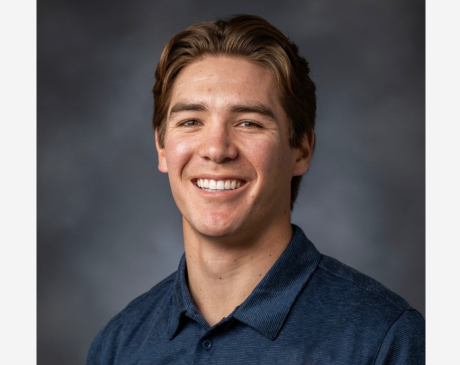
Meet Hannah Wolverton: Your LMFT in Orem

Hannah’s approach is collaborative, integrative, and deeply trauma-informed. As an LMFT in Orem, she believes in meeting you where you are and tailoring therapy to your unique needs, goals, and identity. Her extensive training and experience make her especially effective with complex trauma, eating disorders, and creating affirming spaces for LGBTQ+ individuals and couples.

Hannah’s Specialized Training and Experience

What sets Hannah apart as an LMFT in Orem is her combination of specialized credentials and real-world experience:

  • EMDR Training – Certified through the Maiberger Institute, an EMDRIA-approved provider, specializing in trauma processing for PTSD, childhood trauma, attachment wounds, and sexual trauma
  • Eating Disorder Expertise – Clinical experience at McCallum Place, a comprehensive eating disorder treatment program, working in both Partial Hospitalization (PHP) and Intensive Outpatient (IOP) settings
  • Adolescent Trauma Work – Experience supporting high-needs adolescents in DCFS/JSS custody, bringing deep understanding of complex trauma and developmental needs
  • LGBTQ+ Affirming Care – Committed to creating inclusive, judgment-free spaces for LGBTQ+ individuals and couples exploring identity, relationships, and sexual intimacy
  • Couples Therapy Training – Trained in Gottman Method and EFT-informed approaches for healing attachment wounds, improving communication, and rebuilding connection

Trauma, Eating Disorders, and Evidence-Based Care

As an LMFT in Orem, Hannah’s primary specializations include:

Trauma & PTSD

  • PTSD and complex trauma
  • Childhood and attachment trauma
  • Sexual trauma recovery
  • EMDR therapy for trauma processing
  • Internal Family Systems (IFS) work

Eating Disorders & Body Image

  • Eating disorders (all types)
  • Disordered eating patterns
  • Body image concerns
  • Binge eating and emotional eating
  • Chronic dieting recovery

Additional Areas of Support

Hannah Wolverton LMFT Orem specializing in trauma therapy EMDR and eating disorders

Comprehensive Mental Health Services

As a versatile LMFT in Orem, Hannah provides specialized support across multiple areas:

🌟

Trauma & EMDR Therapy

Evidence-based EMDR therapy for PTSD, childhood trauma, sexual trauma, and attachment wounds. Process difficult memories safely and effectively.

🍽️

Eating Disorder Treatment

Compassionate, experienced support for eating disorders, disordered eating, body image struggles, and recovery from diet culture.

🏳️‍🌈

LGBTQ+ Affirming Care

Inclusive, affirming therapy for LGBTQ+ individuals and couples navigating identity, relationships, coming out, and life challenges in a safe, judgment-free space.

💑

Couples Therapy

Gottman Method and EFT-informed couples therapy to improve communication, resolve conflict, and heal attachment wounds.

👧

Adolescent Therapy (14+)

Specialized support for teens facing anxiety, depression, trauma, identity questions, self-esteem issues, and life transitions.

🧘

Individual Therapy

Personalized treatment for anxiety, depression, self-worth, boundaries, people-pleasing, anger, and personal growth using evidence-based approaches.

Integrative, Evidence-Based Approaches

Hannah doesn’t apply a one-size-fits-all approach. As an LMFT in Orem, she draws on multiple evidence-based modalities, choosing what best fits your needs:

EMDR
Internal Family Systems (IFS)
CBT
DBT
Gottman Method
EFT-Informed
Mindfulness
Attachment-Based
Solution-Focused
Motivational Interviewing
Family Systems
Values-Based Work

This integrative approach allows Hannah to tailor treatment to what you need—whether that’s trauma processing through EMDR, emotion regulation skills from DBT, attachment healing through IFS, or relationship work using Gottman Method principles.

Accessible Therapy in Orem and Throughout Utah

📍 Orem Office

568 East 1400 South, Orem, UT 84097

Meet with Hannah in person at our welcoming Orem location. Our professional, comfortable therapy space provides a safe, judgment-free environment for healing conversations. Convenient for Orem, Lindon, Vineyard, Provo, and surrounding Utah County communities.

Learn more about our Orem office | Call: 801-410-0542

💻 Virtual Therapy Throughout Utah

Hannah also offers secure, HIPAA-compliant virtual therapy to clients anywhere in Utah. Connect from the comfort and privacy of your own space—perfect for those with busy schedules, transportation challenges, or who simply prefer online therapy.

Insurance & Payment Options

Making specialized trauma and eating disorder therapy accessible is important to us. Hannah accepts most major insurance plans:

Aetna
Select Health
Blue Cross Blue Shield
United Healthcare
EMI Health
PEHP
Tricare
MotivHealth

We also accept HSA/FSA, offer out-of-network superbills, and work with clergy/bishop pay arrangements. Verify your coverage online or give us a call.

Begin Your Healing Journey with Hannah

Whether you’re working through trauma, navigating an eating disorder, seeking LGBTQ+ affirming care, or looking for couples therapy support, Hannah is here to help. As an experienced LMFT in Orem with specialized training in EMDR, eating disorders, and trauma-informed care, she provides the compassionate, evidence-based support you need to heal and grow.

Schedule your first session at our Orem office or via virtual therapy anywhere in Utah. You deserve a safe space to be yourself and work toward the life you want.


Morgan Lyons, CSW

CSW Therapist Utah County: Meet Morgan Lyons – Anxiety Specialist

Evidence-Based Anxiety Treatment from an Experienced Social Worker

We’re pleased to welcome Morgan Lyons, CSW, as our newest CSW therapist in Utah County. As a Certified Social Worker specializing in anxiety, depression, and trauma, Morgan brings extensive clinical experience to Willow Therapy Services—including inpatient psychiatry, outpatient therapy, and three years as a Child Protective Services caseworker with the State of Utah. Whether you’re seeking help for overwhelming anxiety, persistent depression, or the lasting effects of trauma, Morgan offers evidence-based treatment tailored to your unique needs at our Orem office and via virtual therapy throughout Utah.

Meet Morgan Lyons: Your CSW Therapist in Utah County

Morgan’s approach is straightforward: help you feel better and function better using approaches that are evidence-based and tailored to you. As a CSW therapist in Utah County, she draws on clinical experience that spans diverse mental health settings, giving her a comprehensive understanding of anxiety, trauma, and the complex challenges people face.

Morgan’s Clinical Background

What sets Morgan apart as a CSW therapist in Utah County is the breadth and depth of her experience:

  • Inpatient Psychiatry – Clinical work at Aspen Grove Behavioral Hospital in Orem, supporting clients in acute mental health crises
  • Outpatient Individual Therapy – Providing one-on-one therapy at Stella Mental Health in American Fork
  • Child Protective Services – Three years as a CPS caseworker with the State of Utah, working directly with trauma, crisis intervention, and family systems
  • Advanced Education – Currently completing her Master of Social Work at Boise State University with a 3.96 GPA, working toward full licensure (expected May 2026)

This diverse background means Morgan understands anxiety not just as a diagnosis but as a lived experience that shows up differently for everyone—from the constant worry that won’t turn off, to panic attacks that come out of nowhere, to the social anxiety that makes everyday situations feel overwhelming, to the burnout from carrying too much for too long.

Specializing in Anxiety, Depression, and Trauma

As a CSW therapist in Utah County, Morgan’s primary focus areas are anxiety, depression, and trauma—conditions she has extensive experience treating across multiple clinical settings. Her work spans:

Anxiety Treatment

  • Generalized Anxiety Disorder (GAD)
  • Panic attacks and panic disorder
  • Social anxiety
  • Chronic stress and burnout
  • Health anxiety
  • Performance and test anxiety

Additional Areas of Support

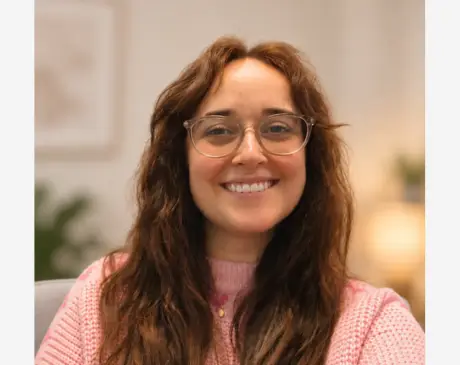
Morgan Lyons CSW therapist Utah County specializing in anxiety treatment at Orem office

Evidence-Based Treatment Approaches

Morgan doesn’t apply a single method to everyone. As a CSW therapist in Utah County, she draws on multiple evidence-based approaches proven effective for anxiety, depression, and trauma—choosing what fits your situation:

Cognitive Behavioral Therapy (CBT)

Identify and change thought patterns that fuel anxiety and depression. CBT is highly effective for anxiety disorders.

Dialectical Behavior Therapy (DBT)

Build skills in emotional regulation, distress tolerance, mindfulness, and interpersonal effectiveness. Especially helpful for intense emotions and crisis situations.

Acceptance and Commitment Therapy (ACT)

Learn to accept what’s outside your control while committing to actions aligned with your values. ACT reduces struggle with anxiety.

Mindfulness-Based Interventions

Practical mindfulness tools to quiet anxiety, improve emotional regulation, and build a steadier relationship with your thoughts and feelings.

Motivational Interviewing

A collaborative approach that strengthens your own motivation for change, especially helpful when you feel stuck or ambivalent about treatment.

Trauma-Informed Care

All treatment is grounded in trauma-informed principles, creating a safe space for healing at a pace that feels right for you.

Accessible Therapy in Orem and Throughout Utah

As a CSW therapist in Utah County, Morgan offers flexible access to evidence-based mental health care:

📍 Orem Office (Primary Location)

568 East 1400 South, Orem, UT 84097

Meet with Morgan face-to-face at our welcoming Orem location. Our professional therapy space provides a comfortable, private environment for healing conversations. Convenient for Orem, Lindon, Vineyard, and surrounding Utah County communities.

Learn more about our Orem office | Call: 801-410-0542

💻 Virtual Therapy Throughout Utah

Secure Online Sessions from Anywhere

Can’t make it to Orem? Morgan offers HIPAA-compliant virtual therapy to clients anywhere in Utah. Connect from the comfort of your home, office, or any private space with internet access.

Perfect for those with busy schedules, transportation challenges, or who simply prefer the convenience of online therapy.

Insurance & Payment Options

Making mental health care accessible is important to us. Morgan accepts most major insurance plans:

Aetna
Select Health
Blue Cross Blue Shield
United Healthcare
EMI Health
PEHP
Tricare
MotivHealth

We also accept HSA/FSA, offer out-of-network superbills, and work with clergy/bishop pay arrangements. Verify your coverage online or give us a call.

Ready to Start Therapy with Morgan?

Whether you’re struggling with anxiety that won’t let up, depression that feels heavy, or trauma from difficult experiences, Morgan is here to help. As an experienced CSW therapist in Utah County, she brings evidence-based treatment, real-world clinical experience, and a compassionate, straightforward approach to every session.

Schedule your first session at our Orem office or via virtual therapy anywhere in Utah. Take the first step toward feeling better and functioning better.


Therapy Near Me Utah County: How to Find the Right Therapist

Your Complete Guide to Finding Quality Mental Health Support Close to Home

If you’ve been searching “therapy near me Utah County,” you’re taking an important first step toward better mental health. But finding the right therapist involves more than just choosing the closest office—it’s about discovering a professional who understands your unique needs, offers the right therapeutic approach, and creates a space where you feel comfortable opening up. This guide will help you navigate the process of finding quality therapy near me in Utah County, from understanding what to look for to asking the right questions and making your first appointment with confidence.

Why “Near Me” Matters: The Benefits of Local Therapy

When searching for “therapy near me Utah County,” proximity isn’t just about convenience—it can significantly impact your therapy success:

Benefits of Choosing Local Therapy

  • Consistency is easier – Shorter travel time means you’re more likely to attend sessions regularly, even during busy or difficult weeks
  • Emergency accessibility – Having a therapist nearby provides peace of mind if you need urgent support
  • Community understanding – Local therapists understand Utah County’s unique culture, values, and community dynamics
  • Reduced barriers – Less commute time, lower transportation costs, and easier scheduling around work and family
  • Insurance networks – Local providers are more likely to accept Utah County insurance plans
  • Familiar environment – Therapy in your own community can feel less intimidating than traveling to unfamiliar areas

That said, with the rise of telehealth therapy, “near me” can also mean virtual sessions from the comfort of your home—offering the best of both worlds: local expertise without the commute.

How to Find the Right Therapy Near Me in Utah County: A Step-by-Step Guide

Finding quality therapy near me Utah County doesn’t have to feel overwhelming. Follow these steps:

1

Identify What You Need

Before searching for “therapy near me Utah County,” clarify what you’re looking for:

2

Check Credentials and Specializations

When evaluating options for therapy near me Utah County, verify that therapists have:

  • Proper licensing – Look for LCSW, CMHC, LMFT, PhD, or PsyD (licensed professionals)
  • Relevant specializations – Experience treating your specific concerns
  • Continuing education – Ongoing training in evidence-based practices
  • Good standing – No disciplinary actions (check Utah’s DOPL database if concerned)
3

Consider Practical Factors

Finding the right fit for therapy near me Utah County involves practical considerations:

  • Location and accessibility – Office location in Orem, Pleasant Grove, Provo, or other Utah County cities
  • Session availability – Evening or weekend appointments if needed
  • Virtual optionsOnline therapy availability for added flexibility
  • Insurance acceptance – In-network providers can significantly reduce costs
  • Pricing transparency – Clear information about session costs and payment options
4

Read Reviews and Testimonials

When researching therapy near me Utah County, look for:

  • Google reviews from real clients (verified reviews carry more weight)
  • Testimonials on the practice website
  • Consistent themes in feedback (communication style, effectiveness, office environment)
  • How the practice responds to feedback (professionalism, accountability)

Note: A few negative reviews among many positive ones is normal. Look for overall patterns rather than isolated incidents.

5

Schedule Consultations

Many therapists offering therapy near me Utah County provide free initial consultations. Use this opportunity to:

  • Assess whether you feel comfortable with the therapist
  • Ask about their approach and experience with your specific concerns
  • Discuss practical details (scheduling, fees, cancellation policies)
  • Trust your gut—therapeutic fit matters as much as credentials

Red Flags to Watch For When Searching Therapy Near Me

While searching for quality therapy near me Utah County, be cautious of these warning signs:

🚩 Guarantees of Quick Fixes

Legitimate therapists don’t promise to “cure” you in a specific timeframe. Therapy is a process, and ethical professionals set realistic expectations.

🚩 Inappropriate Boundaries

Therapists who share excessive personal information, suggest meeting outside sessions, or blur professional lines are crossing ethical boundaries.

🚩 Lack of Credentials or Transparency

Be wary of anyone calling themselves a “therapist” without proper licensing, or practices that won’t clearly state qualifications and fees.

🚩 Pushing Specific Agendas

Good therapists help you explore your values and goals, not impose their own beliefs about how you should live your life.

🚩 Making You Feel Worse Consistently

While therapy can be challenging, you should generally feel supported and notice gradual progress. Consistently feeling worse may indicate a poor fit.

Therapy Near Me: Utah County Locations We Serve

When searching “therapy near me Utah County,” you’ll find therapy services throughout the region. Here are key areas we serve:

Orem Therapy

Central Utah County location with easy access from I-15. Our Orem office serves Orem, Lindon, Vineyard, and surrounding areas.

Pleasant Grove Therapy

North Utah County location convenient for Pleasant Grove, American Fork, Lehi, Alpine, and Highland residents. Visit our Pleasant Grove office.

Provo Area

Serving Provo, Springville, Mapleton, and Spanish Fork with accessible therapy near Provo.

Saratoga Springs & Eagle Mountain

Convenient access for rapidly growing western Utah County communities including Saratoga Springs.

Cedar Hills & Highland

Professional therapy services for Cedar Hills, Highland, and Alpine residents.

Virtual Therapy Statewide

Can’t find convenient therapy near me Utah County? Access our therapists via secure virtual sessions from anywhere in Utah.

Important Questions to Ask When Finding Therapy Near Me

During your search for therapy near me Utah County, ask potential therapists these key questions:

“What is your experience treating [my specific issue]?”

Look for therapists with relevant experience and specialized training in your area of concern.

“What therapeutic approaches do you use?”

Understanding their methods helps you know what to expect. Common approaches include CBT, DBT, psychodynamic therapy, and solution-focused therapy.

“How long do clients typically work with you?”

While every case differs, this gives you a sense of whether they practice brief therapy or longer-term treatment.

“What are your fees, and do you accept my insurance?”

Clarify costs upfront. Ask about insurance acceptance, HSA/FSA options, and out-of-network superbills.

“What’s your cancellation policy?”

Understanding policies around missed appointments, late cancellations, and rescheduling helps prevent surprises.

“How do you measure progress?”

Good therapists track improvement and adjust treatment accordingly, whether through formal assessments or collaborative check-ins.

Ready to Start Your Search for Therapy Near Me?

Now that you understand how to find quality therapy near me Utah County, here’s how to take the next step:

At Willow Therapy Services

We make finding the right therapist simple. Our experienced team serves Utah County with offices in Orem and Pleasant Grove, plus virtual therapy throughout Utah.

We specialize in:

We accept most major insurance including Aetna, Select Health, Blue Cross Blue Shield, United Healthcare, and more.

Find Your Perfect Therapist Match in Utah County

Your search for “therapy near me Utah County” ends with the right fit—a therapist who understands your needs, accepts your insurance, offers convenient access, and creates a safe space for healing. Whether you prefer in-person sessions at our Orem or Pleasant Grove offices, or the flexibility of virtual therapy, we’re here to help you take that important first step.

Browse our experienced therapists, schedule a consultation, and start your journey toward better mental health today.


Couples Therapist Pleasant Grove – Michaella DiRegolo, AMFT

Solution-Focused Therapy for Couples, Families & Individuals

We’re excited to welcome Michaella DiRegolo, AMFT, to Willow Therapy Services as our newest couples therapist in Pleasant Grove. As an Associate Marriage and Family Therapist specializing in Solution-Focused Brief Therapy, Michaella brings a collaborative, strength-based approach to helping couples rebuild connection, families resolve conflict, and individuals navigate life’s challenges. Whether you’re seeking in-person sessions at our Pleasant Grove office or prefer the convenience of virtual therapy throughout Utah, Michaella is here to help you discover what works and build the life you want.

Meet Michaella DiRegolo: Your Couples Therapist in Pleasant Grove

Michaella lives by the motto of “doing more of what works.” This philosophy shapes her entire approach to therapy—focusing on strengths, building on successes, and creating practical solutions that fit your unique situation. As a mother and dedicated therapist, she understands the complexities of relationships and the importance of creating space for connection amidst life’s demands.

Michaella’s Background and Experience

As a couples therapist in Pleasant Grove, Michaella specializes in helping relationships thrive through evidence-based approaches including Solution-Focused Brief Therapy and the Gottman Method. Her experience includes:

  • Working with couples navigating communication challenges, trust issues, and relationship transitions
  • Supporting families in conflict to strengthen bonds and create healthier dynamics
  • Helping teens and children facing developmental and emotional struggles
  • Guiding returned missionaries through life transitions and adjustment challenges
  • Providing faith-based counseling that integrates spirituality with evidence-based therapy

With her background as a piano instructor and Religious Educator for The Church of Jesus Christ of Latter-day Saints, Michaella brings patience, understanding, and a nurturing approach to every session. She excels at building strong therapeutic alliances and successfully assessing and treating presenting problems with compassion and understanding.

Michaella’s Solution-Focused Approach to Couples Therapy

What sets Michaella apart as a couples therapist in Pleasant Grove is her Solution-Focused Brief Therapy (SFBT) approach combined with proven relationship methods like the Gottman Method. Rather than dwelling on what’s wrong, she helps you identify what’s already working and build on those strengths.

How Solution-Focused Therapy Works

In your sessions with Michaella, you’ll:

  • Clarify your relationship goals and what you want your future to look like
  • Identify times when things are going well and understand what makes those moments possible
  • Discover your existing strengths and resources as individuals and as a couple
  • Develop practical, actionable steps toward the relationship you desire
  • Track progress and celebrate small wins along the way

This collaborative, strength-based approach is effective, efficient, and empowering—helping couples create lasting change without spending years dissecting every problem.

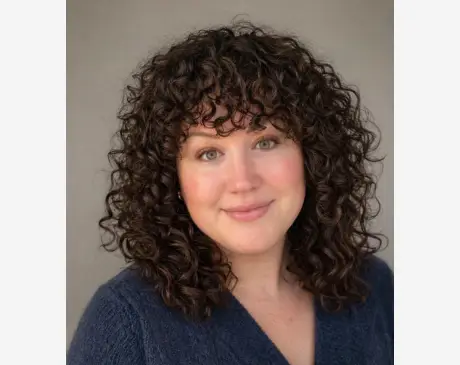
Michaella DiRegolo couples therapist Pleasant Grove offering relationship counseling and family therapy

How Michaella Can Help

As a versatile couples therapist in Pleasant Grove, Michaella provides comprehensive support for relationships, families, and individuals:

Couples Therapy

Rebuild connection, improve communication, and navigate relationship challenges together. Michaella helps couples strengthen their bond and create the partnership they envision through couples counseling.

Family Therapy

Resolve conflicts, strengthen family bonds, and create healthier dynamics. Michaella works with families of all configurations using a strength-based approach in family therapy.

Premarital Counseling

Build a strong foundation before saying “I do.” Michaella helps engaged couples develop communication skills, navigate potential challenges, and align expectations through premarital counseling.

Child & Teen Therapy

Support for children and adolescents facing developmental, behavioral, and emotional challenges. Michaella’s patient, nurturing approach helps young people thrive through child and adolescent therapy.

Faith-Based Counseling

Integrate faith and spirituality into therapy. With her background as a Religious Educator, Michaella provides faith-based counseling aligned with your beliefs and values.

Individual Therapy

Work through anxiety, depression, stress, self-esteem issues, and life transitions. Michaella offers personalized support for personal growth and healing.

Flexible Access: Pleasant Grove Office & Virtual Therapy

As a couples therapist in Pleasant Grove, Michaella offers the flexibility to choose what works best for your relationship and schedule:

📍 Pleasant Grove Office

In-Person Sessions Available

Meet with Michaella face-to-face at our welcoming Pleasant Grove location. Our professional, comfortable therapy space provides a dedicated environment for healing conversations and relationship work.

Learn more about our Pleasant Grove office

💻 Virtual Therapy Statewide

Convenient Online Sessions

Prefer the convenience of therapy from home? Michaella offers secure, HIPAA-compliant virtual therapy throughout Utah. Connect from anywhere with privacy and internet access.

Perfect for busy couples, those in remote areas, or anyone who values the comfort of their own space.

Insurance & Payment Options

Making therapy accessible is important to us. Michaella accepts most major insurance plans:

Aetna
Select Health
Blue Cross Blue Shield
United Healthcare
EMI Health
PEHP
Tricare
MotivHealth

We also accept HSA/FSA, offer out-of-network superbills, and work with clergy/bishop pay arrangements. Verify your coverage online or give us a call.

Ready to Strengthen Your Relationship?

Whether you’re facing communication challenges, navigating conflict, or simply want to build a stronger partnership, Michaella is here to help. As a dedicated couples therapist in Pleasant Grove with expertise in Solution-Focused therapy and the Gottman Method, she provides the compassionate, practical support you need to create the relationship you desire.

Schedule your first session today—in-person at our Pleasant Grove office or virtually from anywhere in Utah.


Anxiety Therapy

Therapy for Anxiety – Your Complete Guide to Finding Relief

Evidence-Based Treatment to Help You Find Calm, Confidence, and Control

If anxiety is controlling your life—making your heart race before social events, keeping you awake at night with racing thoughts, or causing you to avoid situations you once enjoyed—you’re not alone, and more importantly, you don’t have to suffer in silence. Therapy for anxiety offers proven, effective relief that goes beyond simply managing symptoms to addressing the root causes of your anxiety. Whether you’re experiencing generalized worry, panic attacks, social anxiety, or specific phobias, therapy for anxiety provides the tools, support, and strategies you need to reclaim your life from overwhelming fear and constant stress.

Understanding Anxiety: More Than Just Stress

Before exploring therapy for anxiety, it’s important to understand that anxiety is a real medical condition—not a character flaw or something you can simply “get over.” According to the National Institute of Mental Health, anxiety disorders affect nearly 40 million adults in the United States, making them the most common mental health condition in the country.

What Is Anxiety?

Anxiety is your body’s natural response to stress—a “fight or flight” reaction designed to keep you safe from danger. However, when this response becomes overactive or occurs in situations that aren’t truly threatening, it becomes an anxiety disorder. Instead of protecting you, anxiety begins controlling you, affecting your relationships, work, health, and overall quality of life.

Key difference: Stress is a response to a specific external pressure or demand. Anxiety is a sustained mental health disorder that persists even without an obvious stressor, often accompanied by excessive worry about potential future threats.

The good news is that therapy for anxiety is one of the most researched and effective treatments available, with success rates that often exceed those of medication alone. Research from the American Psychological Association consistently shows that evidence-based therapies provide lasting relief by teaching you skills to manage anxiety rather than simply masking symptoms.

Signs You Might Benefit from Therapy for Anxiety

Recognizing when it’s time to seek therapy for anxiety is an important first step. You don’t need to hit rock bottom to deserve help—early intervention often leads to faster, more complete recovery.

Physical Symptoms

  • Racing heart or chest tightness
  • Shortness of breath or feeling like you can’t catch your breath
  • Sweating, trembling, or shaking
  • Digestive issues, nausea, or stomach pain
  • Muscle tension, headaches, or fatigue
  • Difficulty sleeping or staying asleep

Emotional & Mental Symptoms

  • Constant worry that’s hard to control
  • Feeling on edge, restless, or irritable
  • Difficulty concentrating or mind going blank
  • Intrusive, unwanted thoughts
  • Overwhelming fear or sense of dread
  • Catastrophic thinking about the future

Behavioral Changes

  • Avoiding social situations, work, or school
  • Difficulty leaving your home or comfort zone
  • Procrastination due to fear of failure
  • Needing constant reassurance from others
  • Using alcohol or substances to cope
  • Withdrawing from relationships or activities you once enjoyed

Impact on Daily Life

  • Anxiety interfering with work performance
  • Straining relationships with family or friends
  • Missing important events or opportunities
  • Unable to enjoy activities or relax
  • Feeling like anxiety controls your decisions
  • Physical health problems worsening

Important: If you’re experiencing panic attacks (sudden, intense fear with physical symptoms), severe anxiety that’s disrupting your daily functioning, or thoughts of self-harm, don’t wait—reach out for therapy for anxiety today. Early intervention makes a significant difference in recovery outcomes.

Types of Anxiety Disorders Treated with Therapy

Therapy for anxiety is effective for all types of anxiety disorders, each with unique symptoms but similar treatment approaches:

Generalized Anxiety Disorder (GAD)

Persistent, excessive worry about everyday things—work, health, family, finances—even when there’s little reason for concern. Anxiety therapy helps you identify worry triggers and develop healthier thought patterns.

Panic Disorder

Recurring, unexpected panic attacks (intense fear with physical symptoms like racing heart, sweating, trembling, shortness of breath). Therapy for anxiety teaches you to understand panic triggers and reduce the fear of future attacks.

Social Anxiety Disorder

Intense fear of social situations, being judged, or embarrassing yourself in front of others. Therapy for anxiety uses gradual exposure and cognitive techniques to build social confidence and reduce avoidance.

Specific Phobias

Extreme fear of specific objects or situations (flying, heights, animals, needles, etc.). Exposure-based therapy for anxiety systematically reduces fear responses through safe, gradual confrontation.

Obsessive-Compulsive Disorder (OCD)

Intrusive, unwanted thoughts (obsessions) and repetitive behaviors (compulsions) performed to reduce anxiety. Specialized therapy for anxiety like Exposure and Response Prevention (ERP) is highly effective for OCD.

Post-Traumatic Stress Disorder (PTSD)

Anxiety following a traumatic event, including flashbacks, nightmares, and hypervigilance. Trauma-focused therapy combined with anxiety treatment helps process trauma and reduce symptoms.

Evidence-Based Therapy Approaches for Anxiety

The most effective therapy for anxiety uses evidence-based approaches with decades of research supporting their effectiveness:

Cognitive Behavioral Therapy (CBT)

The gold standard for therapy for anxiety, CBT helps you identify and challenge anxious thoughts, change unhelpful thinking patterns, and develop practical coping strategies.

What you’ll learn:

  • Recognizing anxiety-provoking thought patterns (catastrophizing, overgeneralizing, black-and-white thinking)
  • Testing the accuracy of anxious predictions through behavioral experiments
  • Replacing distorted thoughts with balanced, realistic perspectives
  • Building a toolkit of anxiety management techniques

Why it works: CBT addresses the root cause of anxiety—the relationship between your thoughts, feelings, and behaviors—creating lasting change rather than temporary relief.

Exposure Therapy

A core component of therapy for anxiety, exposure therapy involves gradually and safely confronting feared situations, helping your brain learn that these situations are less dangerous than anxiety tells you.

How it works:

  • Creating a hierarchy of feared situations from least to most anxiety-provoking
  • Starting with manageable exposures and progressively working up
  • Learning that anxiety naturally decreases when you stay in the situation
  • Building confidence and reducing avoidance behaviors

Effectiveness: Exposure therapy is particularly powerful for phobias, social anxiety, panic disorder, and OCD, with research showing 60-90% improvement rates.

Dialectical Behavior Therapy (DBT)

When anxiety comes with intense emotional dysregulation or difficulty managing overwhelming feelings, DBT provides essential skills-based therapy for anxiety.

Skills you’ll develop:

  • Mindfulness: Staying present rather than worrying about the future
  • Distress tolerance: Managing anxiety without making it worse
  • Emotion regulation: Understanding and reducing emotional intensity
  • Interpersonal effectiveness: Communicating needs while managing social anxiety

Acceptance and Commitment Therapy (ACT)

ACT offers a different angle on therapy for anxiety—rather than eliminating anxiety, you learn to accept uncomfortable feelings while still pursuing meaningful activities and values.

Core principles:

  • Accepting anxiety as a normal human experience rather than fighting it
  • Defusing from anxious thoughts (observing them without believing them)
  • Connecting with present-moment experiences
  • Taking action based on values even when anxiety is present

Relaxation and Mindfulness Techniques

Most therapy for anxiety incorporates relaxation training to activate your body’s natural calming response:

  • Deep breathing exercises to counter the physical symptoms of anxiety
  • Progressive muscle relaxation to release tension
  • Guided imagery for mental calm
  • Mindfulness meditation to reduce worry and increase present-moment awareness

What to Expect from Therapy for Anxiety

Understanding the therapy process can reduce anxiety about seeking therapy for anxiety itself. Here’s what a typical treatment journey looks like:

Initial Sessions (1-3 Sessions)

Assessment and goal-setting: Your therapist will assess your anxiety symptoms, triggers, history, and how anxiety impacts your life. Together, you’ll establish clear, achievable goals and develop a personalized treatment plan.

Active Treatment Phase (8-16 Sessions Typically)

Learning and practicing skills: You’ll learn evidence-based techniques tailored to your specific anxiety type. Sessions include education about anxiety, practicing new skills, and completing homework assignments to apply techniques in real life. Progress is regularly monitored and the approach adjusted as needed.

Consolidation and Maintenance (Final Sessions)

Building independence: As symptoms improve, you’ll work on preventing relapse, handling setbacks, and maintaining progress independently. Sessions may become less frequent as you gain confidence in managing anxiety on your own.

Timeline varies: Some people notice improvement in just a few sessions, while others need longer treatment. The severity of symptoms, type of anxiety disorder, consistency with practice, and other life circumstances all affect treatment length. Most people see significant improvement within 12-20 sessions of therapy for anxiety.

Life-Changing Benefits of Therapy for Anxiety

Investing in therapy for anxiety offers benefits that extend far beyond symptom reduction:

🧠

Better Mental Clarity

Reduce racing thoughts and constant worry, improving focus, concentration, and decision-making abilities.

💪

Physical Health

Lower blood pressure, better sleep, reduced muscle tension, fewer headaches, and improved immune function.

❤️

Stronger Relationships

Communicate more effectively, set healthy boundaries, and enjoy deeper connections without anxiety interfering.

🎯

Increased Productivity

Improved work performance, reduced procrastination, and ability to pursue goals without anxiety holding you back.

🌟

Greater Confidence

Build self-esteem, trust your abilities, and face challenges with resilience instead of fear.

😊

Enjoyment of Life

Participate in activities you’ve been avoiding, experience joy again, and create meaningful memories.

How to Get Started with Therapy for Anxiety

Taking the first step toward therapy for anxiety can feel daunting, but it doesn’t have to be. Here’s your roadmap:

1

Recognize It’s Time for Help

Acknowledge that anxiety is affecting your quality of life and that seeking professional support is a sign of strength, not weakness.

2

Find a Qualified Therapist

Look for licensed mental health professionals specializing in therapy for anxiety. Check credentials, specializations, and treatment approaches. Browse our experienced therapists.

3

Schedule a Consultation

Many therapists offer initial consultations to discuss your concerns, answer questions, and determine if they’re the right fit. Schedule your appointment today.

4

Check Insurance Coverage

Most insurance plans cover therapy for anxiety. We accept major insurance providers including Aetna, Select Health, Blue Cross Blue Shield, and more. Verify your coverage.

5

Choose Your Format

Decide between in-person therapy at our Orem or Pleasant Grove offices, or convenient virtual therapy from home.

6

Commit to the Process

Attend sessions regularly, practice skills between appointments, and be patient with yourself. Healing takes time, but every session is a step toward freedom from anxiety.

Common Questions About Therapy for Anxiety

How long does therapy for anxiety take?

Treatment length varies based on anxiety severity and type, but most people see significant improvement within 12-20 sessions. Some notice changes in just a few weeks, while others benefit from longer-term support. Your therapist will work with you to establish realistic timelines.

Will I need medication, or is therapy enough?

Many people successfully manage anxiety through therapy for anxiety alone. However, for moderate to severe anxiety, a combination of therapy and medication prescribed by a psychiatrist may be most effective. Your therapist can help you make this decision and coordinate with medical providers.

What if therapy makes my anxiety worse at first?

Some anxiety increase during early therapy—especially exposure therapy—is normal and temporary. You’re confronting fears you’ve been avoiding, which can feel uncomfortable. Your therapist will pace treatment appropriately and provide coping strategies. The temporary discomfort leads to long-term relief.

Can therapy help if I’ve had anxiety for years?

Absolutely. While long-standing anxiety may require more time to treat, therapy for anxiety is effective regardless of how long you’ve been struggling. Many people who’ve lived with anxiety for decades experience life-changing relief through evidence-based treatment.

What’s the difference between therapy and just talking to friends?

Therapy for anxiety provides structured, evidence-based treatment from a trained professional who understands anxiety’s neurological and psychological components. Unlike conversations with friends, therapy offers specific techniques, objective perspective, clinical expertise, and a safe, confidential space focused entirely on your healing.

You Deserve Relief from Anxiety—Let’s Start Today

Anxiety doesn’t have to control your life. With proven therapy for anxiety, you can learn to manage worry, overcome fear, and reclaim the peace, confidence, and joy you deserve. At Willow Therapy Services, our compassionate, experienced therapists specialize in evidence-based treatments including CBT, exposure therapy, and DBT.

Whether you’re struggling with panic attacks, social anxiety, constant worry, or specific phobias, we’re here to help you find lasting relief. We offer flexible options including in-person sessions in Orem and Pleasant Grove, as well as convenient virtual therapy throughout Utah.


Mental and Physical Health

The Link Between Mental and Physical Health: Why Mental Health is Health Care

Understanding the Inseparable Connection Between Your Mind and Body

For too long, healthcare has treated the mind and body as separate entities. But the truth is simple and profound: mental health is healthcare. Just as you wouldn’t ignore chest pain or a broken bone, your emotional and psychological wellbeing deserves the same attention, resources, and medical care as any physical condition. Understanding why mental health is healthcare isn’t just about semantics—it’s about recognizing that your mind and body are deeply interconnected, and treating one without addressing the other leaves you only half-healed.

The Reality: Mental Health Affects Everyone

The numbers tell a compelling story about why mental health is healthcare that everyone needs access to:

1 in 5

Adults experience mental illness each year

50%

Of chronic diseases linked to mental health conditions

60%

Higher risk of heart disease with untreated depression

$280B

Annual cost of untreated mental illness in the U.S.

These statistics from the National Institute of Mental Health and Centers for Disease Control and Prevention demonstrate that mental health challenges aren’t rare exceptions—they’re common health conditions that deserve comprehensive medical treatment.

The Mind-Body Connection: How Mental Health Impacts Physical Health

When we say mental health is healthcare, we’re recognizing that psychological wellbeing directly influences every system in your body. Your brain doesn’t exist in isolation—it’s the control center for your entire physiological system.

Your Mental State Affects Your Physical Health Through:

  • The Nervous System – Chronic anxiety and stress keep your nervous system in overdrive, leading to high blood pressure, digestive issues, and weakened immunity
  • Hormonal RegulationDepression disrupts cortisol and other hormone production, affecting sleep, metabolism, and inflammation
  • Immune Function – Prolonged psychological distress suppresses immune response, making you more susceptible to infections and slower to heal
  • Cardiovascular Health – Mental health conditions increase heart disease risk, blood pressure, and stroke likelihood
  • Pain Perception – Emotional distress amplifies physical pain and can create chronic pain conditions

Research consistently shows that addressing mental health improves physical health outcomes. This is precisely why mental health is healthcare—because treating your mind treats your body, and vice versa.

Real-World Examples: When Mental and Physical Health Collide

Understanding that mental health is healthcare becomes clearer when you see how these conditions interact in everyday life:

Depression → Chronic Pain

Someone living with untreated depression may develop chronic headaches, back pain, or digestive problems. The depression amplifies pain signals in the brain, while the constant pain worsens depressive symptoms.

Solution: Individual therapy combined with medical care addresses both the emotional roots and physical manifestations.

Anxiety → Heart Disease

Persistent anxiety keeps the body in a constant state of “fight or flight,” raising blood pressure and heart rate. Over time, this increases cardiovascular disease risk significantly.

Solution: Cognitive Behavioral Therapy and stress management reduce physical stress responses.

Trauma → Autoimmune Conditions

Unresolved trauma and PTSD create chronic inflammation in the body, which is linked to autoimmune diseases, fibromyalgia, and chronic fatigue syndrome.

Solution: EMDR therapy and trauma processing can reduce physical inflammation markers.

Stress → Diabetes Risk

Chronic stress elevates cortisol levels, which increases blood sugar and can contribute to insulin resistance and Type 2 diabetes development.

Solution: Stress management therapy and lifestyle counseling support both mental and metabolic health.

Integrated Care: Treating the Whole Person

Recognizing that mental health is healthcare means adopting an integrated approach to wellness. Your treatment should address both psychological and physical aspects simultaneously.

What Integrated Mental Healthcare Looks Like:

  • Mental health screening at regular medical appointments
  • Collaboration between therapists and primary care physicians
  • Insurance coverage parity for mental and physical health
  • Medication management when appropriate
  • Evidence-based therapy approaches like CBT and DBT
  • Lifestyle interventions including exercise, nutrition, and sleep
  • Support for families and caregivers
  • Access to virtual therapy options for convenience

Why This Matters: When healthcare providers recognize that mental health is healthcare, they treat your anxiety with the same urgency as high blood pressure. They understand that managing your depression is as essential as treating diabetes. This integrated approach leads to better overall health outcomes, fewer emergency room visits, and improved quality of life.

Breaking Down Barriers to Mental Healthcare

Despite growing awareness that mental health is healthcare, significant barriers still prevent people from getting the support they need:

Stigma and Shame

Many people still view mental health struggles as personal weakness rather than medical conditions. This outdated perspective prevents individuals from seeking help. The reality: Anxiety disorders, depression, and trauma are health conditions with biological, psychological, and environmental components—just like heart disease or diabetes.

Insurance and Cost

While mental health parity laws exist, insurance coverage for mental healthcare often lags behind physical healthcare. The good news: many providers now accept major insurance plans, offer HSA/FSA payment options, and provide out-of-network superbills to make care more accessible.

Access to Providers

Mental health provider shortages create long wait times and limited availability, particularly in rural areas. Solutions include expanded telehealth therapy options, which bring quality mental healthcare directly to anyone with internet access across Utah and beyond.

Awareness and Education

Many people don’t recognize mental health symptoms or know where to turn for help. Education about warning signs—persistent sadness, overwhelming worry, withdrawal from activities, changes in sleep or appetite, difficulty functioning—empowers people to seek timely support.

Taking Action: Prioritizing Your Mental Healthcare

Understanding that mental health is healthcare is the first step. The second is taking action to support your wellbeing:

1. Schedule Regular Mental Health Check-ins

Just as you get annual physical exams, establish regular therapy appointments to monitor your emotional wellbeing and address concerns early.

2. Talk Openly About Mental Health

Reduce stigma by discussing mental health with family, friends, and healthcare providers. Normalize these conversations the same way you’d discuss physical health.

3. Learn the Warning Signs

Educate yourself about anxiety, depression, and trauma symptoms so you can recognize when you or a loved one needs support.

4. Explore Treatment Options

Research evidence-based therapies like CBT, DBT, or EMDR to find what works for you.

5. Advocate for Mental Health Parity

Support policies and practices that treat mental healthcare with the same priority as physical healthcare in insurance coverage, workplace benefits, and community resources.

6. Build Your Support Network

Connect with therapists, support groups, and loved ones. Whether through individual therapy, family counseling, or peer support, you don’t have to navigate mental health alone.

Your Mental Health Matters—Get the Healthcare You Deserve

You wouldn’t wait months to treat a broken leg or ignore persistent chest pain. Your mental health deserves that same urgency and attention. Because mental health is healthcare, and you deserve access to comprehensive, compassionate treatment that addresses your whole self—mind, body, and spirit.

At Willow Therapy Services, we provide evidence-based mental healthcare for individuals, couples, families, children, and teens throughout Utah. Our experienced therapists understand the mind-body connection and are here to help you achieve lasting wellness.


Virtual Therapist Utah – McKenzie Bolen, CSW

Now Offering Virtual Therapy Across Utah | Convenient, Secure Online Counseling

Looking for a virtual therapist in Utah who provides expert support from the comfort of your own home? We’re excited to welcome McKenzie Bolen, CSW, to the Willow Therapy Services team. As a Certified Social Worker specializing in online therapy for adolescents, young adults, and families, McKenzie brings years of clinical experience and a warm, client-centered approach to virtual counseling throughout Utah.

The Benefits of Virtual Therapy in Utah

In today’s fast-paced world, accessing mental health care shouldn’t mean rearranging your entire schedule or commuting across town. McKenzie provides virtual therapy in Utah that brings professional, compassionate counseling directly to you—whether you’re at home, on campus, or anywhere you feel comfortable.

Why Choose Virtual Therapy?

  • Convenience – No travel time, no traffic, no waiting rooms
  • Privacy – Receive support from the comfort and safety of your own space
  • Accessibility – Access quality care anywhere in Utah, from urban to rural areas
  • Flexibility – Schedule sessions around work, school, and family commitments
  • Same Quality Care – Evidence-based therapy with the same effectiveness as in-person sessions
  • Insurance Accepted – Most major insurance plans cover telehealth therapy

According to the American Psychological Association, virtual therapy is as effective as in-person therapy for treating anxiety, depression, trauma, and many other mental health concerns. McKenzie’s secure, HIPAA-compliant platform ensures your privacy and confidentiality every step of the way.

About McKenzie Bolen, CSW

McKenzie is a Marriage and Family Therapist who brings a strong blend of clinical experience and leadership to her role as a virtual therapist in Utah. With a Master’s in Marriage and Family Therapy and years of experience supporting adolescents and families in both outpatient and inpatient settings, McKenzie is passionate about helping clients work through trauma, family conflict, emotional regulation, and personal growth.

Her warm, organized, and client-centered approach makes online therapy a space where individuals and families feel supported, heard, and empowered to grow. McKenzie has experience managing adolescent units and working with diverse family dynamics, which helps her bring calm structure and effective communication tools into family therapy sessions.

McKenzie specializes in working with adolescents, young adults, and families navigating anxiety, depression, trauma, behavioral challenges, and relationship issues. Whether you’re a teen struggling with identity questions, a parent seeking support for your child, or a young adult navigating life transitions, McKenzie creates a safe, non-judgmental virtual space for healing.

McKenzie’s Evidence-Based Approach

What sets McKenzie apart as a virtual therapist in Utah is her integration of multiple evidence-based therapeutic approaches tailored to each client’s unique needs:

McKenzie Bolen virtual therapist in Utah providing online therapy for adolescents and families

Research from the National Institute of Mental Health shows that evidence-based psychotherapy delivered via telehealth produces outcomes comparable to traditional in-person therapy, making virtual therapy a highly effective treatment option.

Who McKenzie Can Support

As a dedicated virtual therapist in Utah, McKenzie provides specialized online support for:

Adolescents & Teens

Support for anxiety, depression, identity exploration, peer relationships, school stress, and emotional challenges through adolescent therapy.

Young Adults

Guidance through life transitions, career stress, relationship issues, and finding direction during the young adult years.

Family Therapy

Improve communication, resolve conflicts, and strengthen family relationships through secure virtual family sessions.

Anxiety & Depression

Evidence-based treatment for anxiety disorders, panic, persistent worry, and depression.

Trauma & PTSD

Trauma-informed care to process difficult experiences and build resilience through trauma-focused therapy.

Behavioral Issues

Support for anger management, impulse control, and behavioral challenges in teens and young adults.

LGBTQ+ Support

Affirming therapy for LGBTQ+ individuals navigating identity, coming out, and family acceptance.

Life Transitions

Navigate major changes including divorce, grief, faith transitions, and relationship changes.

Ready to Get Started with Virtual Therapy?

McKenzie is now accepting new clients for secure, confidential virtual therapy sessions throughout Utah. Whether you’re seeking support for yourself, your teen, or your family, online counseling makes quality mental health care more accessible than ever.

Schedule Your Virtual Session with McKenzie

What Our Clients Are Saying

McKenzie’s warm, professional approach has already made a positive impact. Here’s what clients have shared:

“Only had my first session but it was great and it felt really good!”

— Sidney, Verified Google Review

“10/10, super responsive and kind!”

— Shayliah, Verified Google Review

“I can’t say enough good things about this place. From the moment you walk in, the environment feels safe, calming, and judgment-free. The therapists are not only highly skilled but also genuinely compassionate—they listen deeply, guide without pressure, and create space for real healing. Highly recommend.”

— Coleson, Verified Google Review

Accessible Virtual Therapy Throughout Utah

McKenzie provides virtual therapy in Utah through secure, HIPAA-compliant video sessions that you can access from anywhere in the state. All you need is a private space, a reliable internet connection, and a device with a camera and microphone.

We Accept Most Major Insurance Plans

Aetna
Select Health
Blue Cross Blue Shield
United Health Care
EMI Health
PEHP
Tricare
MotivHealth

We also offer flexible payment options including HSA/FSA payments, out-of-network superbills, and clergy pay arrangements. Verify your coverage today.

How Virtual Therapy Works

Getting started is easy:

  • Schedule your appointment online at a time that works for you
  • Receive a secure video link via email before your session
  • Join from your computer, tablet, or smartphone
  • Meet with McKenzie in a private, confidential virtual space
  • Continue your healing journey from the comfort of home

Your Mental Health Journey Starts Here

Finding the right virtual therapist in Utah shouldn’t be a barrier to getting the support you need. McKenzie Bolen brings expert clinical training, genuine compassion, and years of experience helping adolescents, young adults, and families navigate life’s challenges—all from the convenience and privacy of online therapy.

Whether you’re struggling with anxiety, processing trauma, navigating family conflict, or simply need someone to talk to, McKenzie provides the evidence-based, client-centered care you deserve. Virtual therapy makes quality mental health support more accessible than ever.